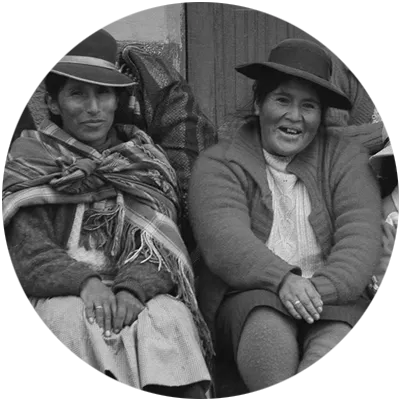
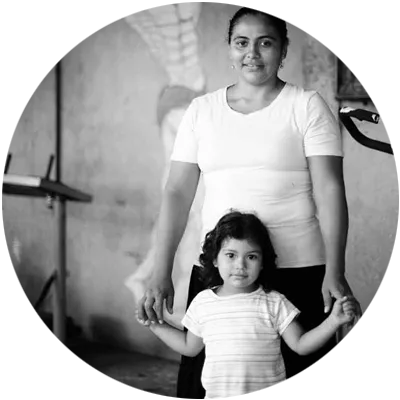
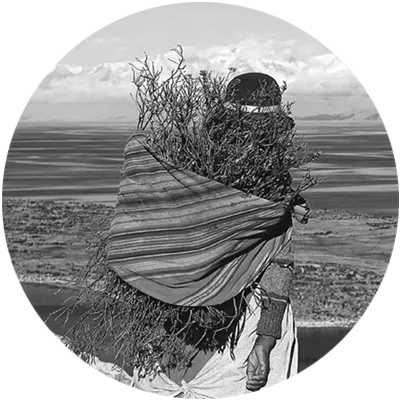
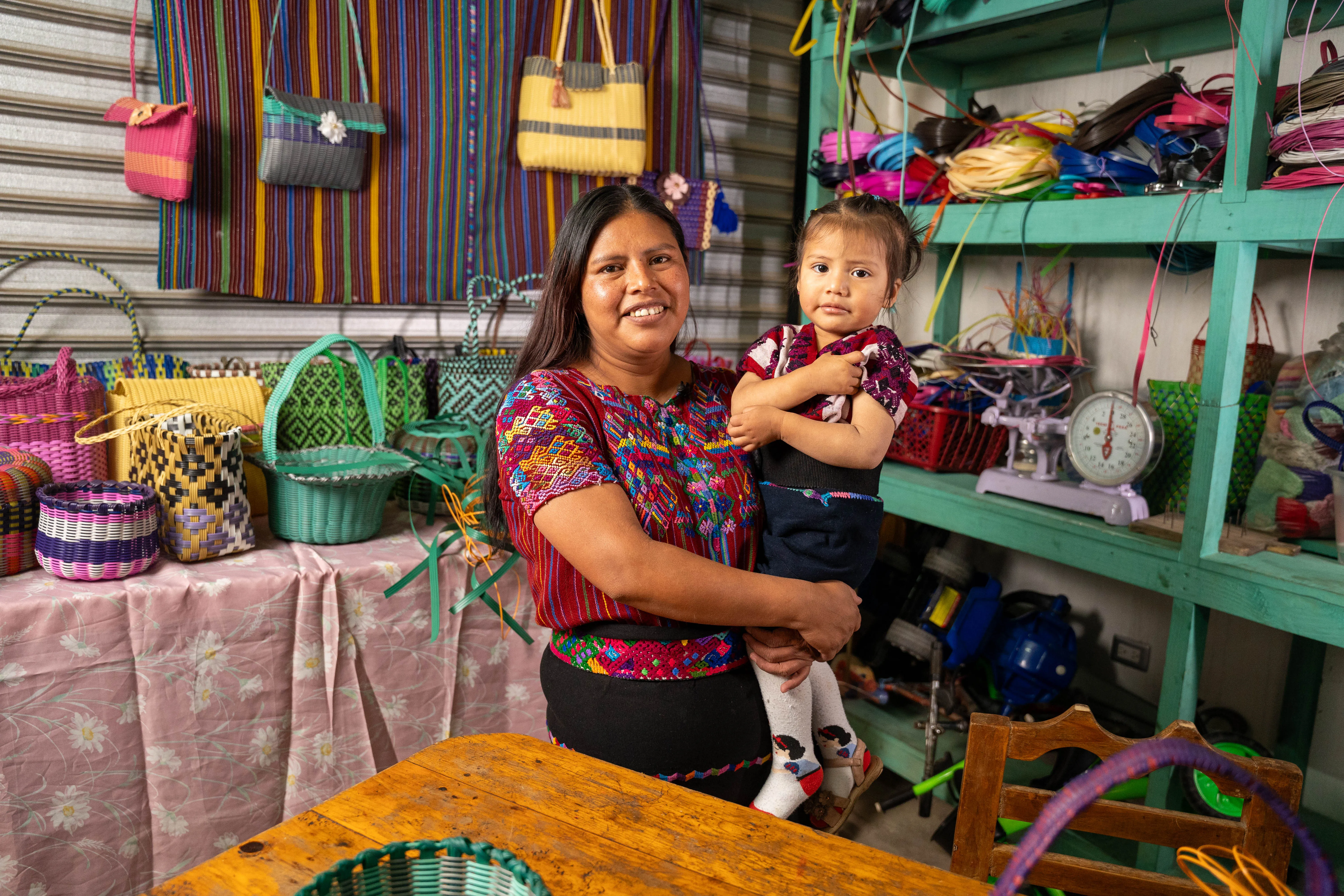
In Guatemala, structural inequalities, limited access to economic opportunities, and gender-based violence continue to impact the lives of thousands of women and girls.
In the face of this reality, Pro Mujer, in partnership with MEDA and Wakami, supports the Women’s Empowerment for Central America (WE4CA) project, a comprehensive initiative that seeks to close existing gender gaps through economic empowerment, community leadership and gender-based violence (GBV) prevention.
As part of the project, an innovative local intervention methodology was designed to provide support to more than 5,000 women across five departments in Guatemala (Chimaltenango, Sacatepéquez, Sololá, Quetzaltenango, and Totonicapán), promoting their economic autonomy and ability to take action in the face of violence.
Why is it necessary?
The data collected by the WE4CA initiative clearly shows the magnitude of the problem:
- 60% of the women surveyed know a woman who has experienced GBV.
- 83% express a strong desire to lead actions to eradicate it.
- 72% consider it urgent to address this problem in their communities.
Women’s economic lives are also often impacted by violence. In many cases, violence increases when they seek to get out of situations where they are economically dependent. In light of this reality, the WE4CA initiative is grounded in the core premise that economic empowerment isn’t possible without addressing and preventing GBV.
During workshops, participatory assessments, and feedback sessions, women identified six major obstacles in their journey as entrepreneurs and agents of change:
- Traditional gender norms: Women are often expected to take on care and domestic responsibilities.
- Economic dependence: Many women have no control over their income or must ask for permission to start a business or earn an income.
- Financial inequalities: Women have less access to formal financing and often don’t have their own resources.
- Psychological violence: Women are often subjected to criticism, mockery, or devaluation of their work.
- Harassment in public spaces: Women limit their participation in fairs, trainings, and professional networks.
- Structural barriers: Insecurity, limited transportation, misinformation, and the climate crisis all disproportionately impact women.
In the face of this reality, the WE4CA project implemented a comprehensive empowerment model, including concrete actions such as:
- Training and support for 47 community leaders who create safe and supportive spaces for other women.
- Intercultural training sessions focused on women’s rights, economic autonomy, negotiation, and prevention of violence.
- Promoting Indigenous justice systems, such as Mayan practices, and building bridges with community and government stakeholders.
- Hosting collective activities, such as events or gatherings, that make it possible to build and strengthen networks and create connection.
And the results have been unbelievable.
- 5,169 women received training in economic autonomy and violence prevention.
- 95% of these women increased their knowledge of GBV.
- 70% recognized economic empowerment as a prevention strategy.
- 61% adopted at least three new transformative wellness practices.
- 44% are able to accurately recognize different types of violence.
- 316 women received targeted training specifically focused on GBV.
WE4CA Index: A tool to measure the Economic Empowerment Index of women entrepreneurs
As part of the WE4CA initiative, we launched the Women Entrepreneurs Economic Empowerment Index (IEEME), a tool designed to accurately measure the level of economic empowerment of women beneficiaries of the program in Guatemala. Built using an intersectional perspective, this Index allows us to monitor progress, identify challenges, and implement informed decision-making to maximize impact
Core Results:
- Significant increase in participants’ empowerment levels
- More women achieved scores above 0.5.
- The number of women with low scores (<0.3) decreased.
- The greatest advances were observed in women aged 50 to 59 years old from the K’iche’community (+0.423 points), and in the departments of Quetzaltenango, Totonicapán, Chimaltenango, and Suchitepéquez.
Want to explore more outcomes of the WE4CA initiative? Click here to learn more!