

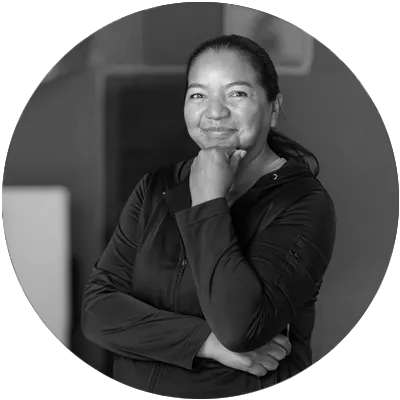
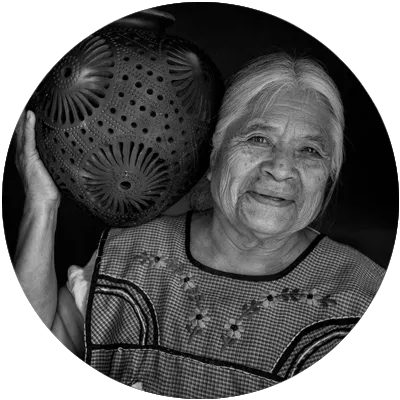
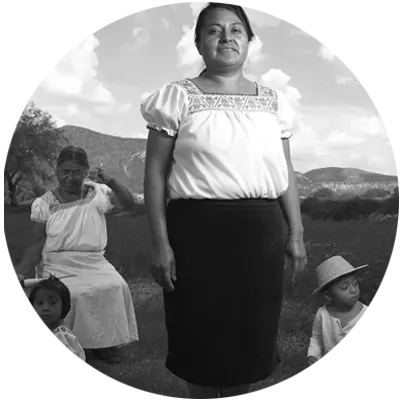
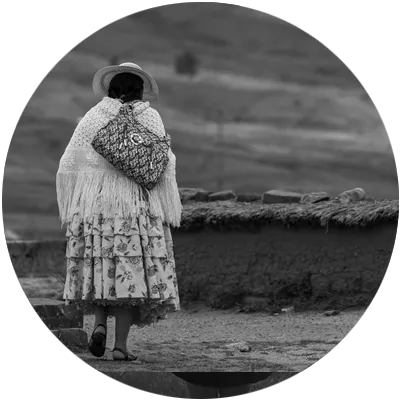
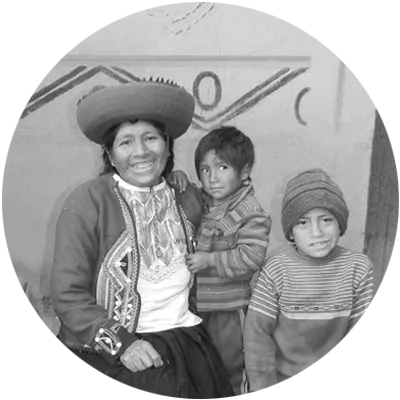
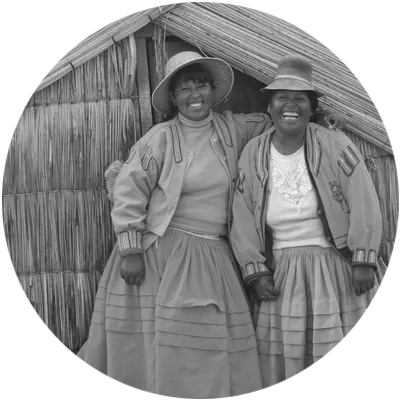
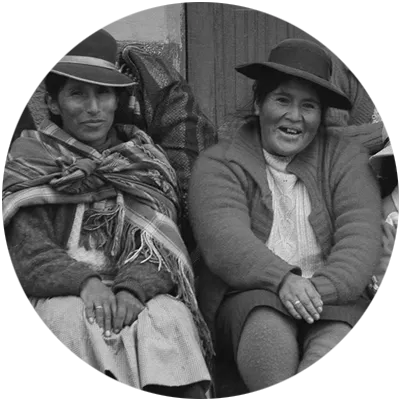
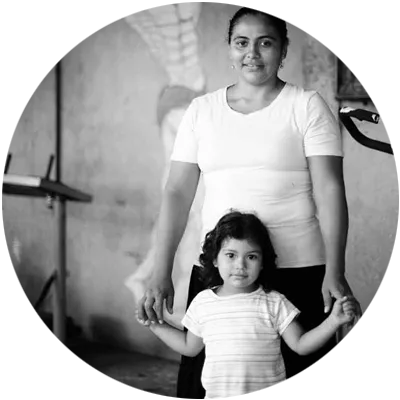
Between 2022 and 2026, Pro Mujer, in partnership with MEDA and Wakami, led the Women’s Empowerment for Central America (WE4CA) project in Guatemala. The initiative demonstrated a fundamental truth: it is not possible to speak about women’s entrepreneurship, decent work, or market access without directly addressing gender-based violence and the structural inequalities shaping women’s lives.
Reaching 5,000 women and girls directly, 240 men and boys, and more than 15,000 people indirectly, WE4CA went beyond business training. It designed and implemented a comprehensive model integrating violence prevention, productive capacity strengthening, market access, and empowerment measurement through proprietary tools.
The project experience was systematized into four key pillars, illustrating how economic development can become a true instrument of transformation.
Economic Empowerment and Violence: A Direct Link
One of the project’s main lessons is that economic autonomy can, paradoxically, trigger new forms of violence when it challenges traditional gender norms. Many women face control over their income, restrictions on work, or economic violence when attempting to start or grow a business.
For this reason, WE4CA adopted a holistic approach grounded in do-no-harm principles, safe spaces, intersectionality, and participatory processes. Violence prevention was not a standalone module, but the foundation of empowerment.
The results confirm this approach:
- 95% of participants recognize economic empowerment as a key strategy for violence prevention.
- 70% implemented actions to transform gender dynamics.
- 61% identified new transformative well-being practices.
The conclusion is clear: violence prevention is an enabling condition for sustainable development.
From Business Strengthening to Value Chain Access
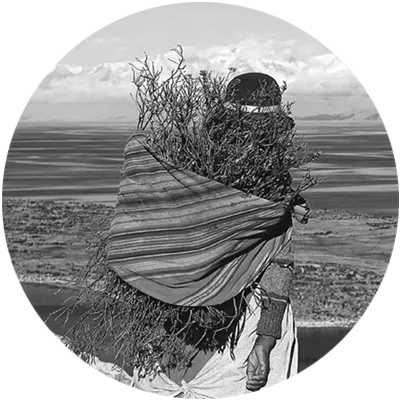
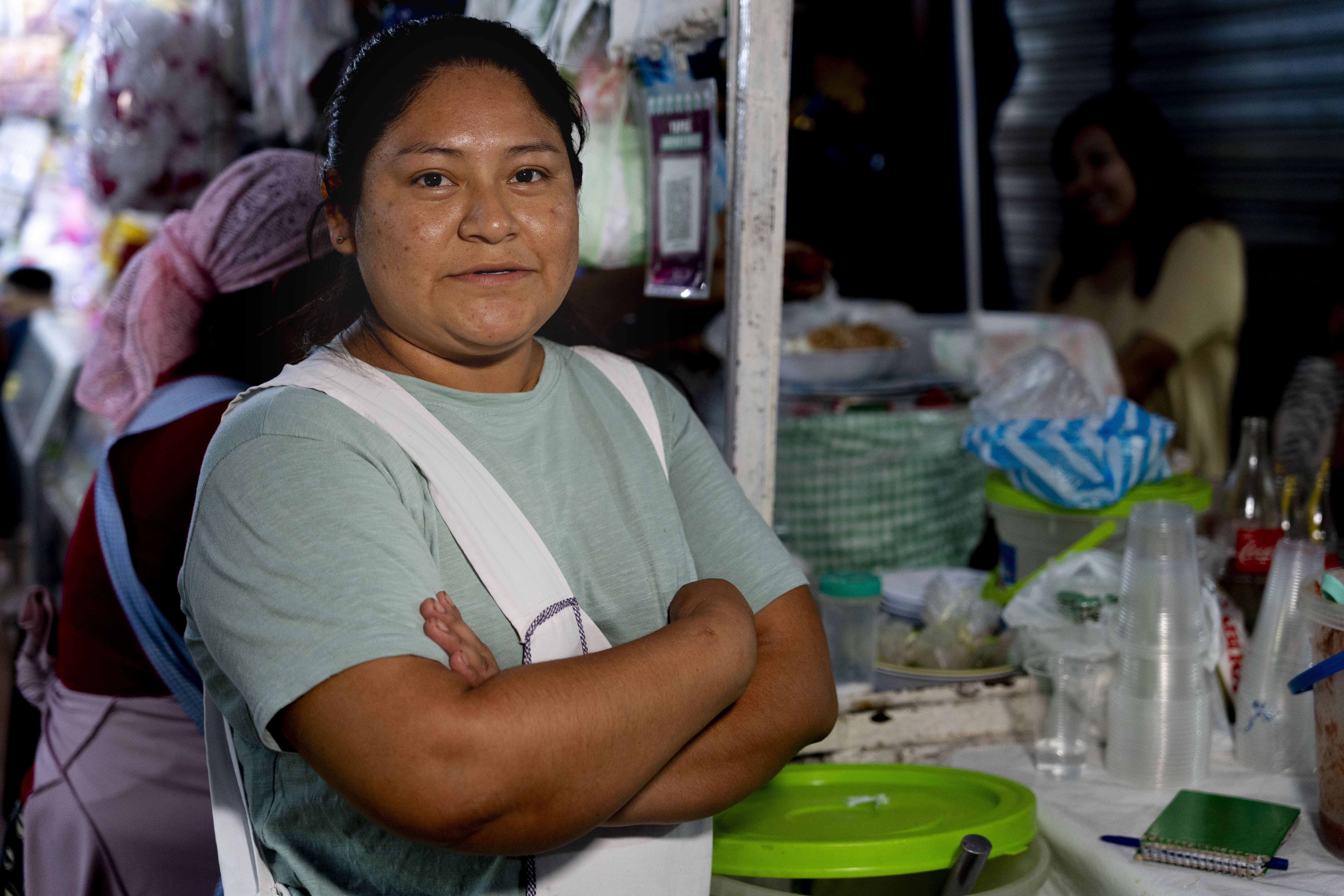
WE4CA worked with rural women, integrating them into handmade and regenerative agriculture value chains. The model combined business training, digital skills, financial education, and environmental sustainability.
Seventeen groups of women entrepreneurs and individual micro-entrepreneurs were supported, building partnerships with public and private actors to open local and international markets.
Key results include:
- 35% of women increased their income.
- 58% reported increased sales.
- Access to new markets and commercial partnerships.
Integration into value chains, training in native languages, and cultural adaptation of methodologies were critical to achieving impact.
Measuring Empowerment to Strengthen It
Recognizing that income alone does not define autonomy, the project developed the Women Entrepreneurs’ Economic Empowerment Index (IEEME), a tool to measure empowerment conditions comprehensively.
Interventions with the strongest positive association included:
- Financial education
- Sexual and reproductive health
- Gender-based violence prevention
- Digital skills
- Environmental management
The project also incorporated a transformative masculinities strategy, training 240 men to promote reflection and shared responsibility. Structural change requires engaging men as key actors in advancing gender equality.
Decent Work: More Than Income
WE4CA broadened the concept of decent work by integrating a gender and intersectional lens. Generating income is not enough; women must control their earnings, work in conditions of dignity and safety, and be able to make decisions about their time, bodies, and life projects.
Market access was conceived as an integrated pathway combining violence prevention, capacity strengthening, and technical support in safe environments.
Concrete results include:
- 30 women entrepreneurs supported in market access processes.
- US$11,362 in sales generated.
- 1,557 products sold.
- More than 100 follow-up orders.
When market access occurs in safe and supported environments, it also becomes a tool to prevent economic and psychological violence.
WE4CA demonstrates that economic empowerment is deeper and more sustainable when it integrates violence prevention, financial education, transformative well-being, environmental sustainability, and multisectoral partnerships.
Measuring autonomy, safety, and decision-making power is as important as measuring income. Engaging men expands impact. Adapting methodologies to local contexts strengthens legitimacy.
More than a project, WE4CA leaves behind an evidence-based model for Central America—one that understands sustainable economic development begins by ensuring women can work and thrive in freedom.
Want to learn more? Click here: https://promujer.org/wp-content/uploads/2026/02/We4CA_-2026.pdf