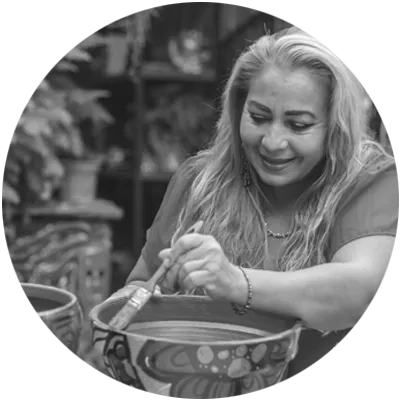


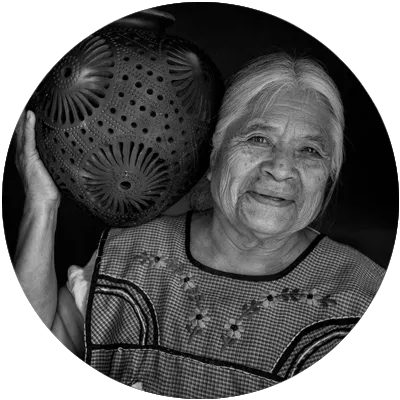
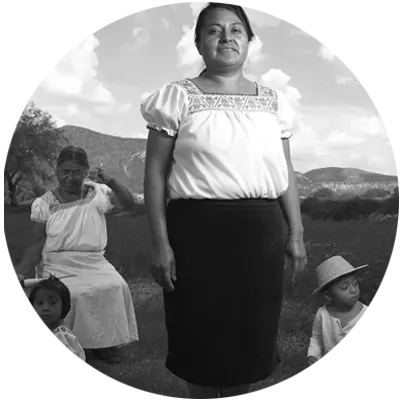
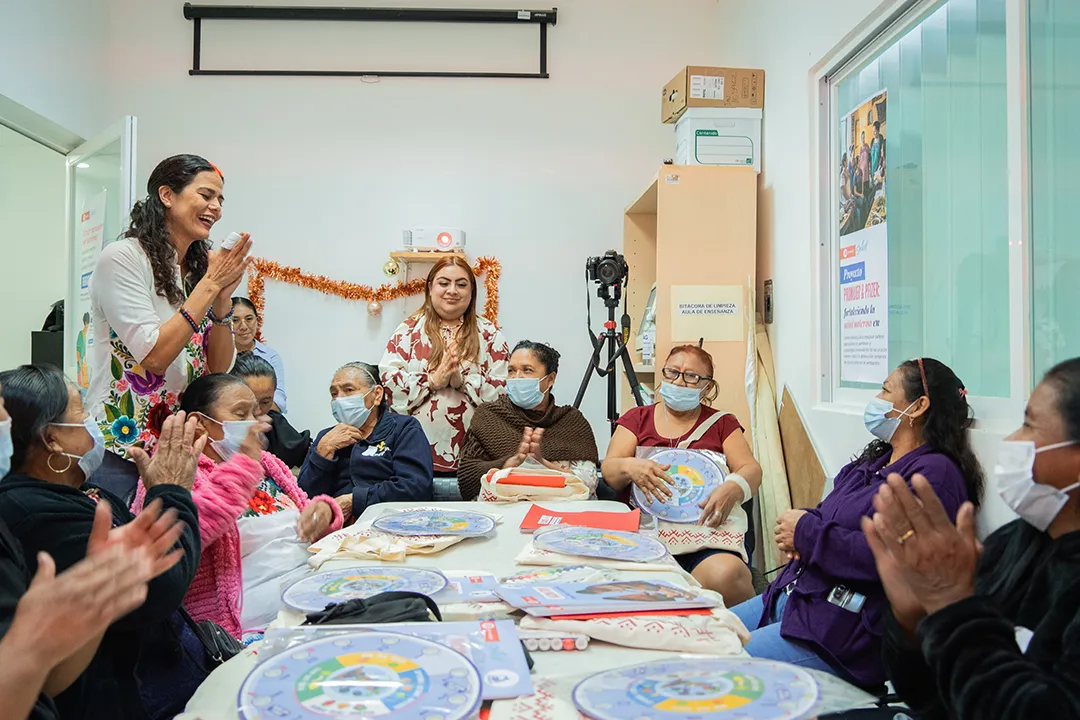
Pro Mujer and Pfizer Mexico have completed the third and final phase of their joint project carried out throughout 2025, consolidating a strategic partnership aimed at strengthening education, awareness, and informed access to vaccination during pregnancy in rural and Indigenous communities in Quintana Roo.
Developed under an intercultural co-creation model with community midwives, the initiative demonstrated that integrating traditional knowledge with scientific evidence is an effective strategy to reduce structural gaps in maternal and neonatal health.
The project focused on strengthening the capacities of midwives as key public health actors through:
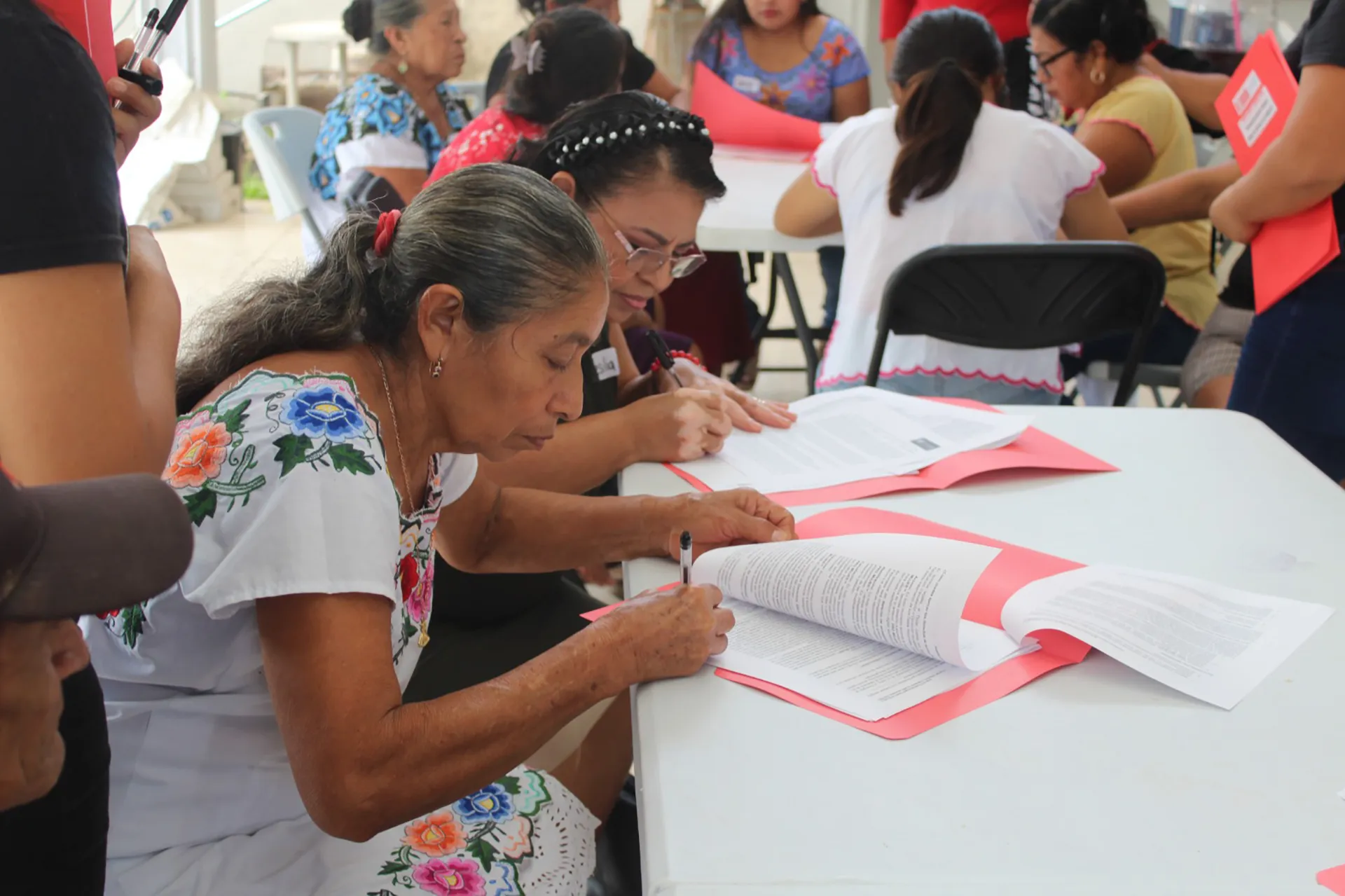
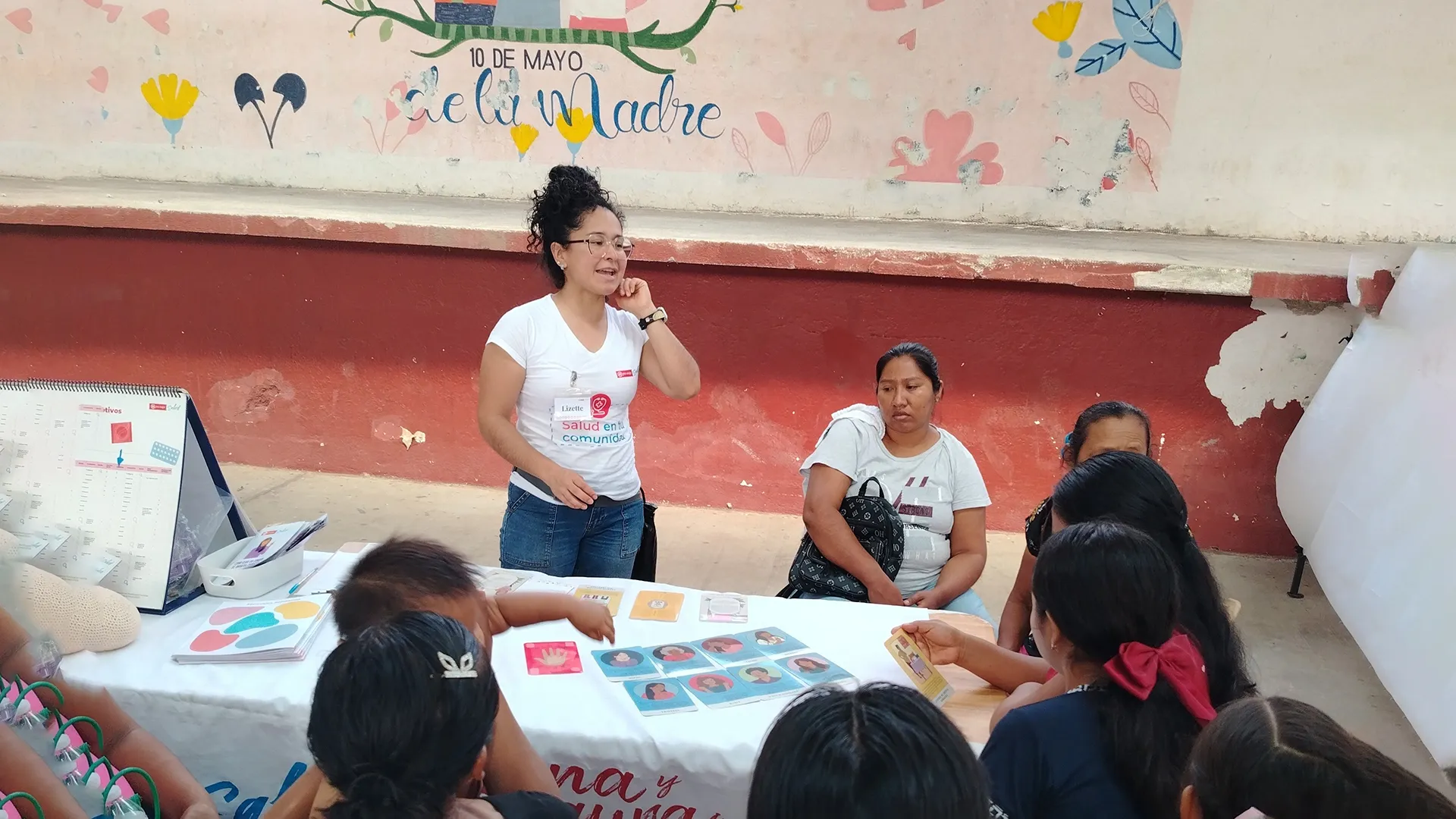
- Participatory workshops and specialized training in maternal vaccination (Tdap, Influenza, COVID-19, and Respiratory Syncytial Virus – RSV).
- Co-creation processes for culturally relevant educational materials, including a lunar vaccination calendar, pregnancy booklet, and informational cards.
- Pre- and post-monitoring to measure changes in knowledge, communication practices, and timely referrals.
Final results exceeded 100% of the established targets and demonstrate the potential of community-based models:
- +60% increase in knowledge levels regarding maternal vaccination.
- 70% of midwives actively applied the knowledge gained in their daily practice.
- 100% recommended the educational model and found the developed materials useful.
- 23,700+ people reached digitally (119% of target).
- 700+ pregnant women indirectly reached (141% of target).
- Six institutional stakeholders expressed interest in replicating the model (300% of the projected target).
In contexts where barriers to access, misinformation, and distrust toward vaccination persist, midwives remain the primary point of contact for many pregnant women. Historically, however, they have been underintegrated into formal immunization strategies.
This partnership demonstrated that investing in their training and in participatory processes not only improves understanding of vaccination, but also strengthens early detection of warning signs, timely referrals to health services, and community trust.
“Investing in community-based maternal vaccination models is not only effective — it is a strategic public health decision grounded in measurable results, efficiency, and equity,” said René Jiménez, Health Manager at Pro Mujer.
The experience leaves behind concrete evidence to inform public policy decisions, private sector investment, and philanthropic funding. The model developed has strong potential for replication in other states with high rural and Indigenous populations, contributing to increased effective maternal vaccination coverage, reduced preventable neonatal complications and hospitalizations, and the strengthening of more resilient and culturally responsive health systems.
With this third phase, Pro Mujer and Pfizer Mexico are not simply closing a project — they are consolidating an innovative public–private–community partnership model that positions midwives as strategic allies in guaranteeing the right to health for women and their communities.s parteras como aliadas estratégicas para garantizar el derecho a la salud de las mujeres y sus comunidades.