
In Mexico, ensuring safe motherhood remains a challenge in many rural, Indigenous, and semi-urban communities, where timely access to clear information and preventive health services still faces significant gaps.
In response to this context, throughout 2025, Pro Mujer and Pfizer Mexico promoted a joint initiative aimed at strengthening maternal health from the ground up, encouraging vaccination during pregnancy through an innovative educational model. The initiative places community midwives and local women leaders at the center—key actors in the day-to-day support of pregnant women and in building trust within their communities.
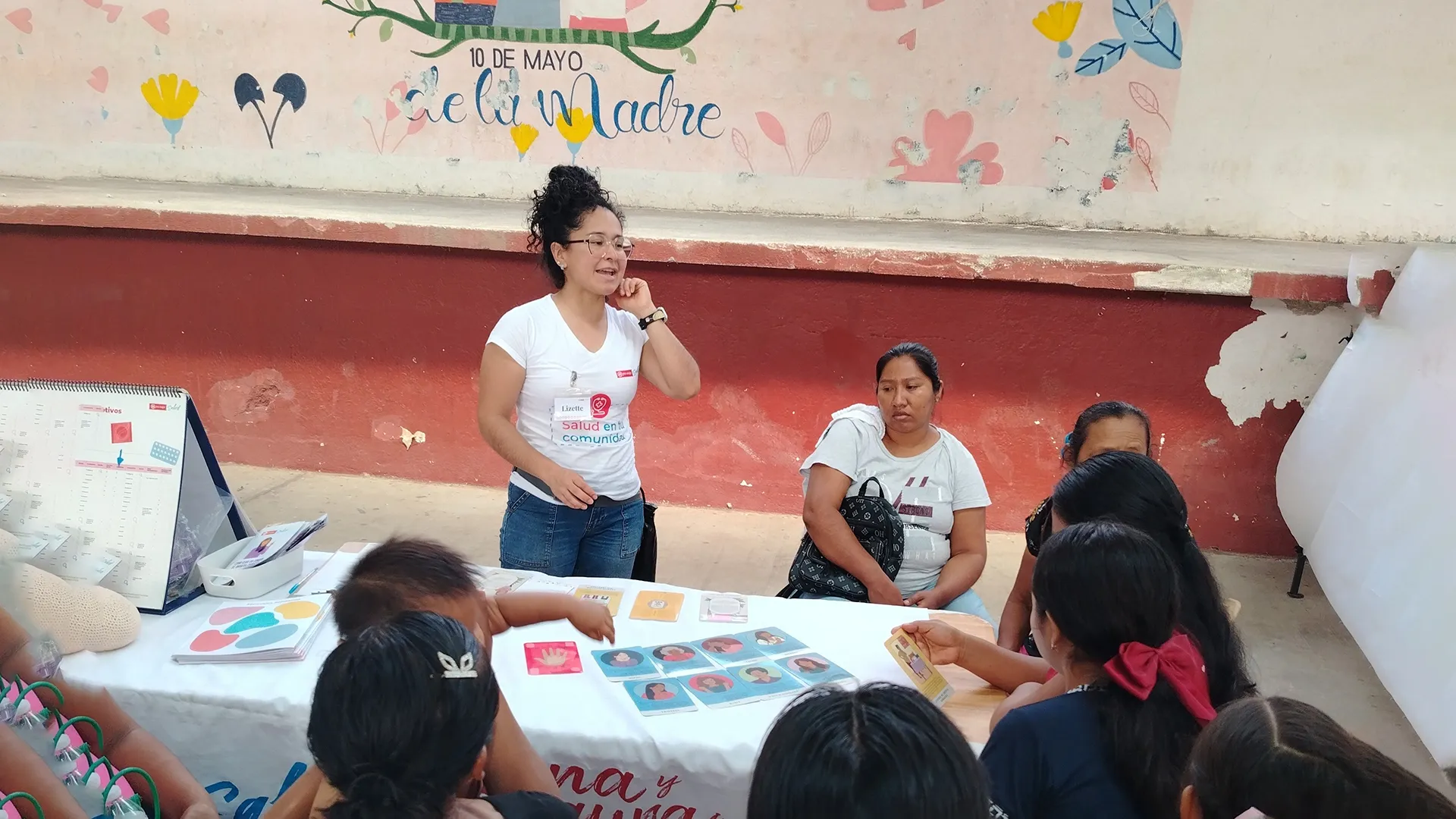
The project is being implemented in rural and semi-urban communities in the state of Quintana Roo and seeks to strengthen the knowledge and capacities of midwives and local leaders by providing practical tools, culturally relevant materials, and updated content on maternal immunization. The initiative places particular emphasis on the prevention of respiratory infections such as influenza and COVID-19, as well as other key vaccination schedules during pregnancy, recognizing that clear and accessible information is essential to protect the health of mothers and babies.
Rather than being designed externally, the model was co-created alongside the midwives themselves, integrating their ancestral knowledge, languages, and community practices. This approach enabled the development of bilingual educational materials (Maya–Spanish) that are culturally respectful and useful for daily work within their communities.
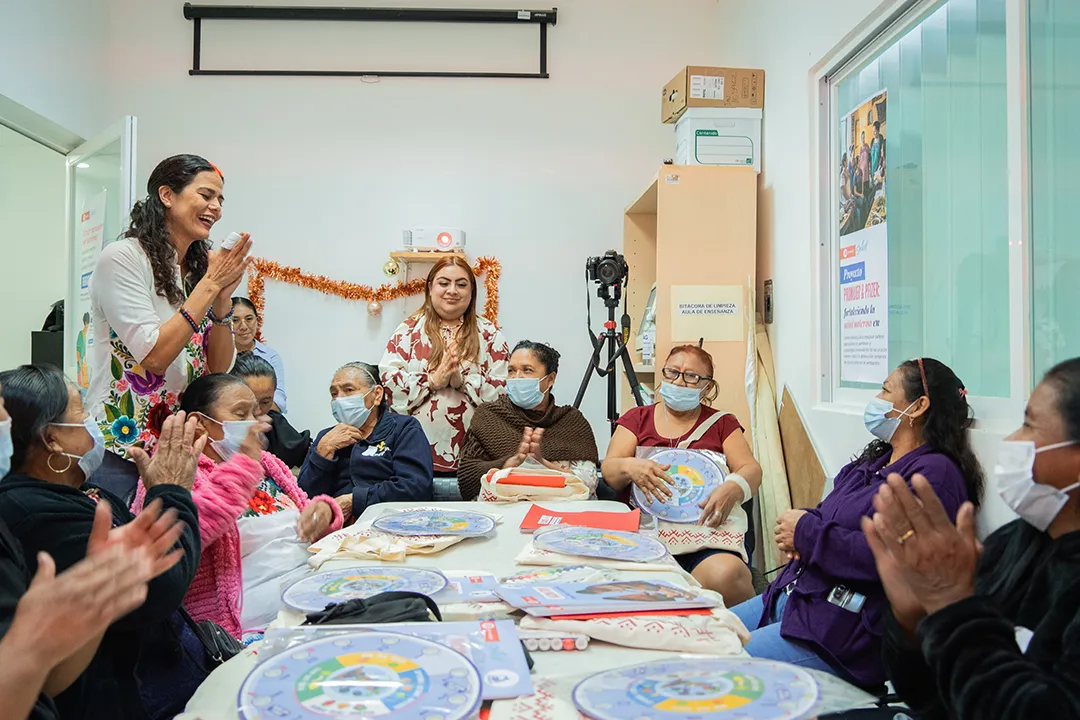
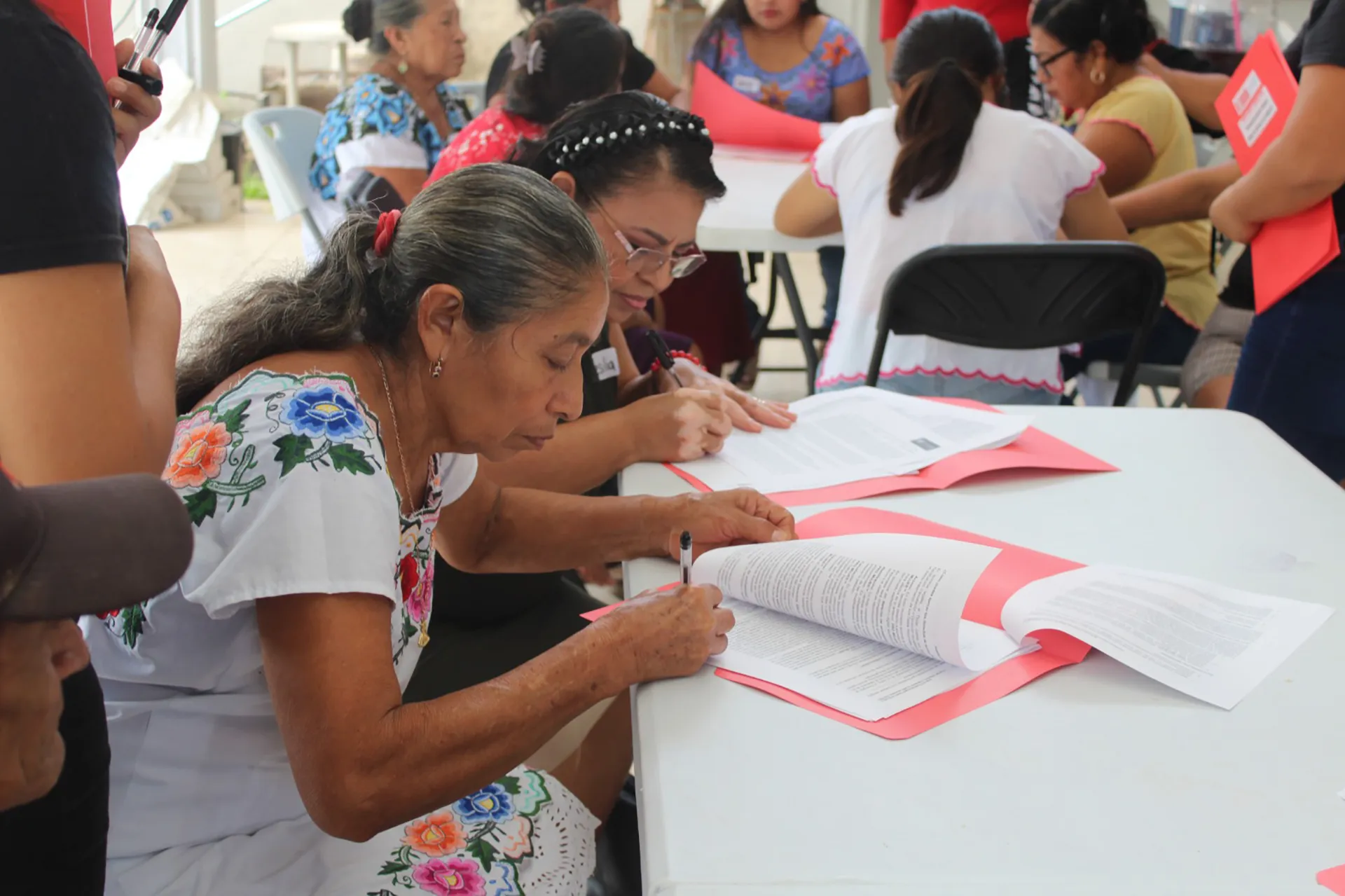
As part of the project, Pro Mujer and Pfizer held two community gatherings with traditional Maya midwives. The first took place on September 13, 2025, in Felipe Carrillo Puerto and brought together 25 participants, including midwives, one traditional male midwife, apprentices, community leaders, and academic representatives. During this session, a participatory workshop focused on awareness-raising and co-creation was held, where knowledge was shared, barriers to health access were identified, and the content of educational materials on maternal vaccination and warning signs was designed.
The second gathering was held on November 23, 2025, at the House of Indigenous and Afro-Mexican Women, with the participation of 13 traditional midwives. At this stage, the printed materials were delivered and community-validated. The results were compelling: 100% of participants considered the materials useful, clear, and culturally relevant, and reported feeling empowered to promote maternal vaccination and risk prevention during pregnancy within their communities.
Both gatherings were supported by local organizations and by the Universidad Privada de la Península, which provided academic support and Maya-language translation, ensuring an accessible process that respected cultural diversity.
This experience confirms the value of an approach based on co-creation, recognition of traditional knowledge, and community leadership, and reinforces Pro Mujer’s and Pfizer’s commitment to developing inclusive, sustainable, and culturally relevant maternal health solutions. By empowering midwives as a vital bridge between health systems and communities, the project helps reduce access barriers, combat misinformation, and strengthen community trust.
At Pro Mujer, we believe that placing women at the center of solutions transforms realities. This partnership with Pfizer is an example of how multisector collaboration can generate tangible and lasting impacts on maternal and neonatal health.
Co-created with midwives, for their communities. Download the educational materials to train your community on vaccination during pregnancy:
https://vacunacionmaterna.promujer.org/