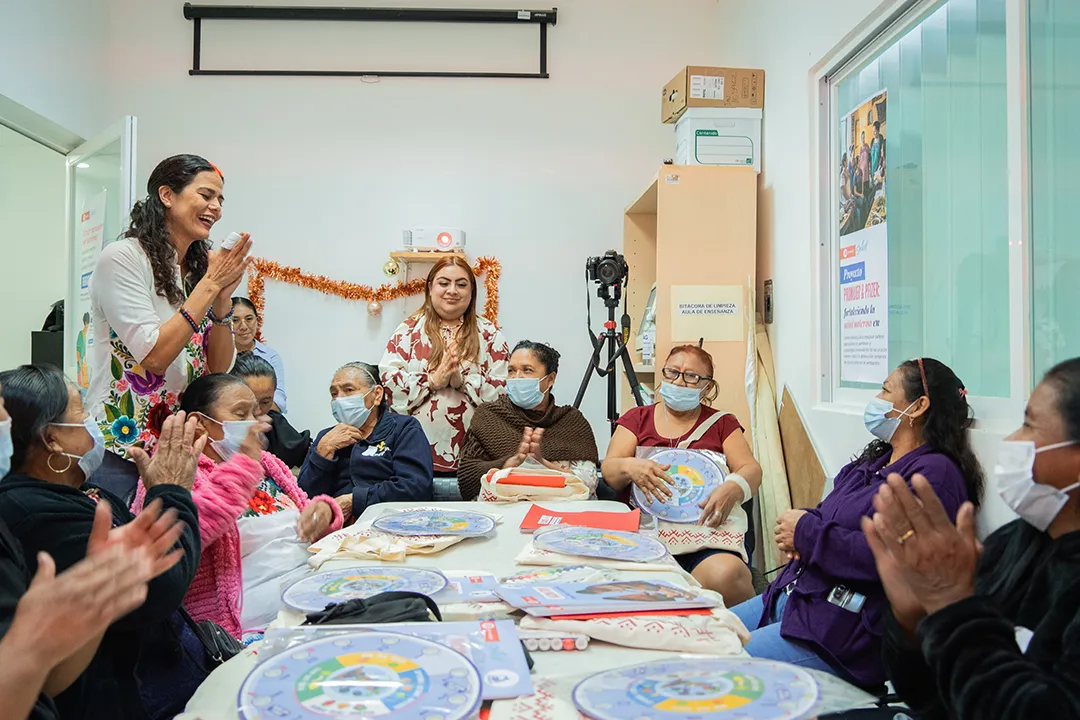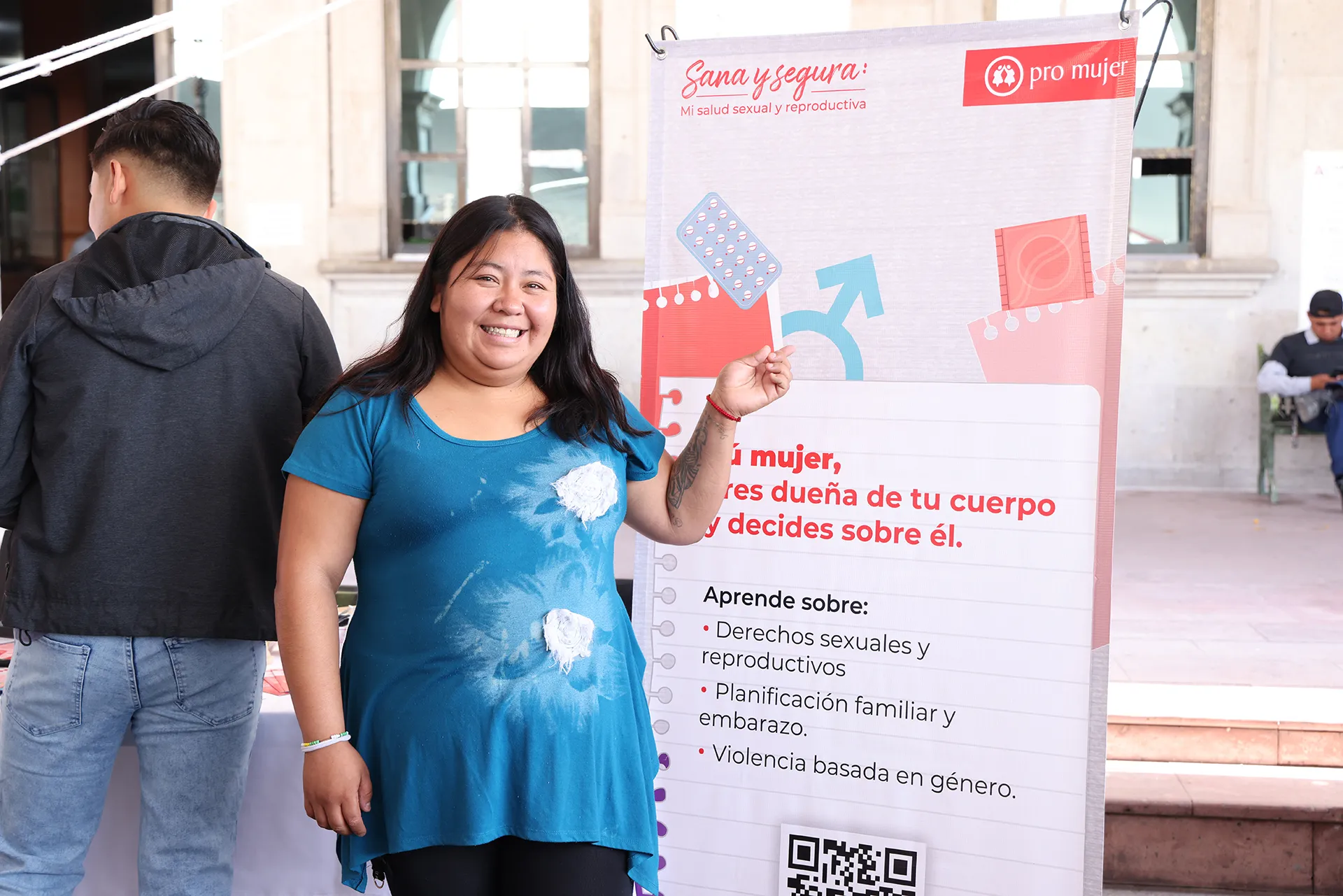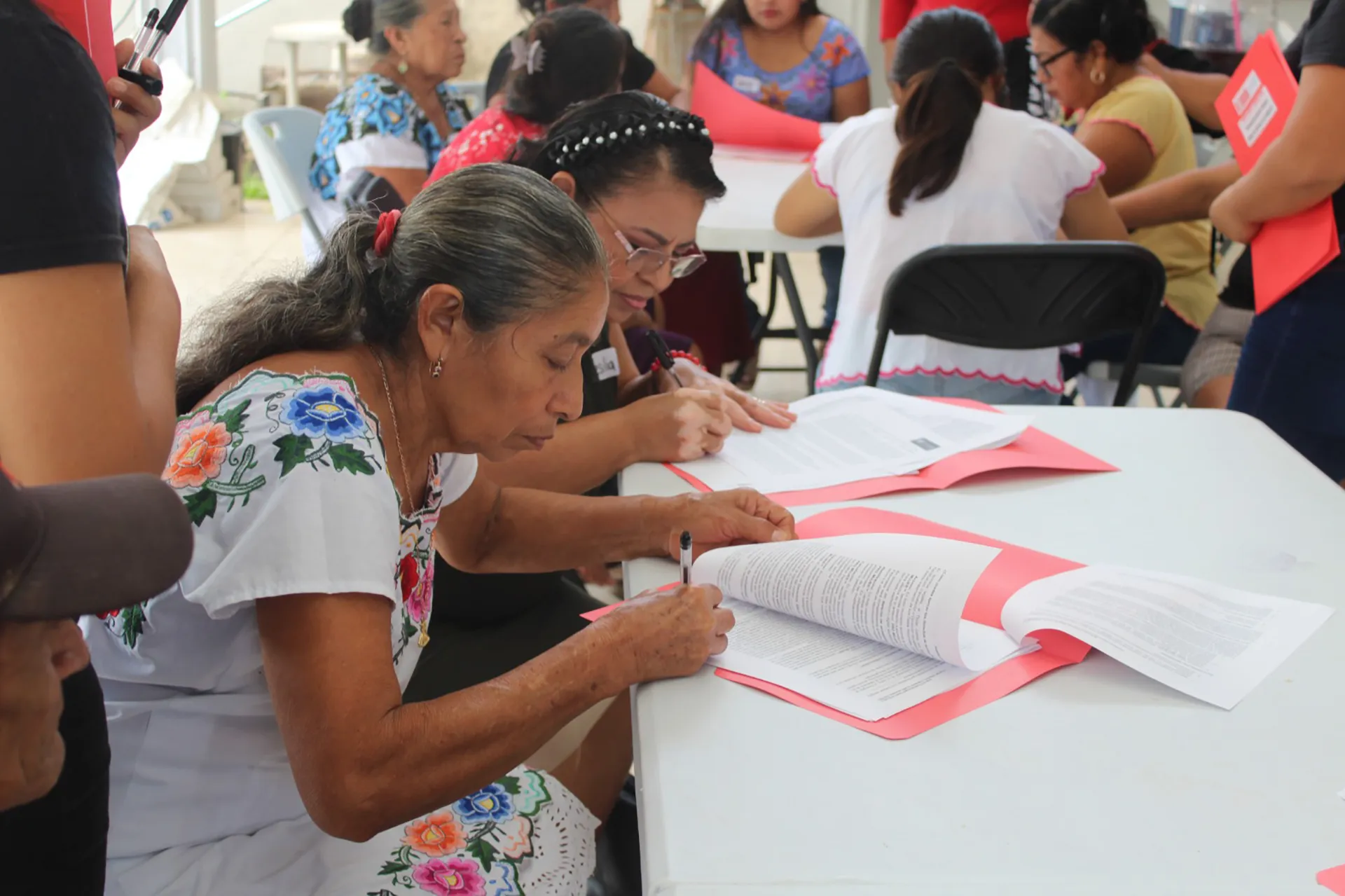



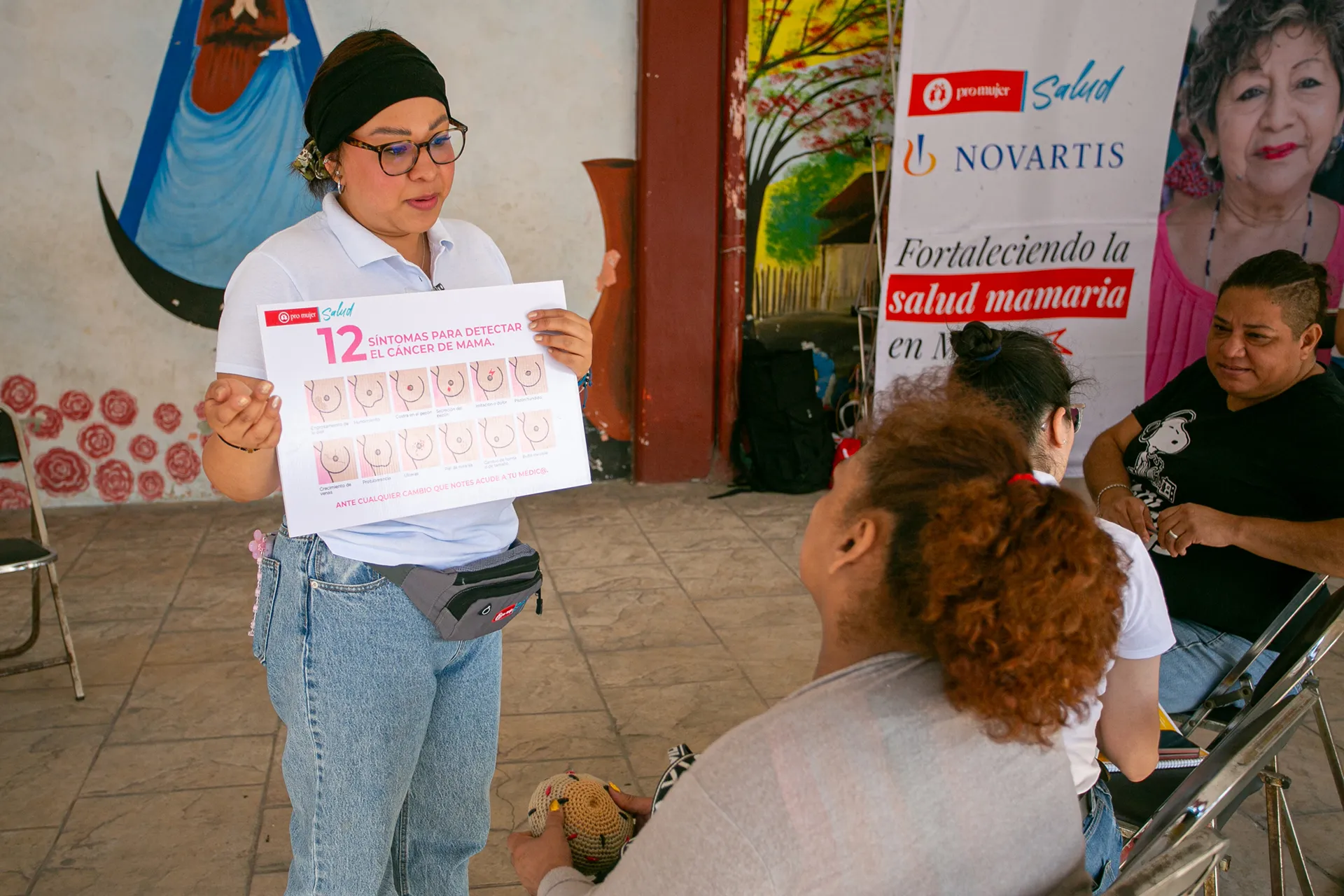
As part of their strategic partnership, Pro Mujer and Novartis carried out two health fairs in the state of Chiapas within a care model aimed at strengthening early detection and comprehensive breast cancer care in communities where access to specialized services remains limited. These actions are part of a joint effort to bring prevention and early diagnosis closer to the community level, prioritizing equity in access to health care.
The first health fair took place in September in Tonalá, Chiapas, where more than 160 people accessed breast health services. A total of 147 mammograms, 41 ultrasounds, and 20 clinical breast exams were performed, and six potential risk cases were preliminarily identified. These results laid the groundwork for a model that combines in-person care, health education, and patient navigation to ensure continuity of care.
From November 27 to 29, the second health fair was held in Ocozocoautla, Chiapas. During this intervention, 153 mammograms were performed and 187 community awareness activities on breast cancer were conducted. In addition, general medicine and nutrition consultations were provided, along with clinical breast exams for women and men, broadening the preventive and comprehensive scope of care.
Together, both campaigns reached more than 400 people, integrating detection, prevention, and health education services, as well as navigation and accompaniment mechanisms to reduce the geographic, social, and economic barriers that thousands of women face in accessing specialized care.
In a context where access to mammography in Mexico remains limited—in 2022, only 20% of women between the ages of 40 and 60 underwent this screening, according to INEGI—these types of interventions are key to strengthening early detection and improving health outcomes, particularly in rural areas and communities with access barriers.
Through this partnership, Pro Mujer and Novartis continue to advance a health model centered on prevention, comprehensive care, and cross-sector collaboration, positioning early breast cancer detection as a priority within the public health agenda and in the construction of more accessible, sustainable, and equitable health systems.