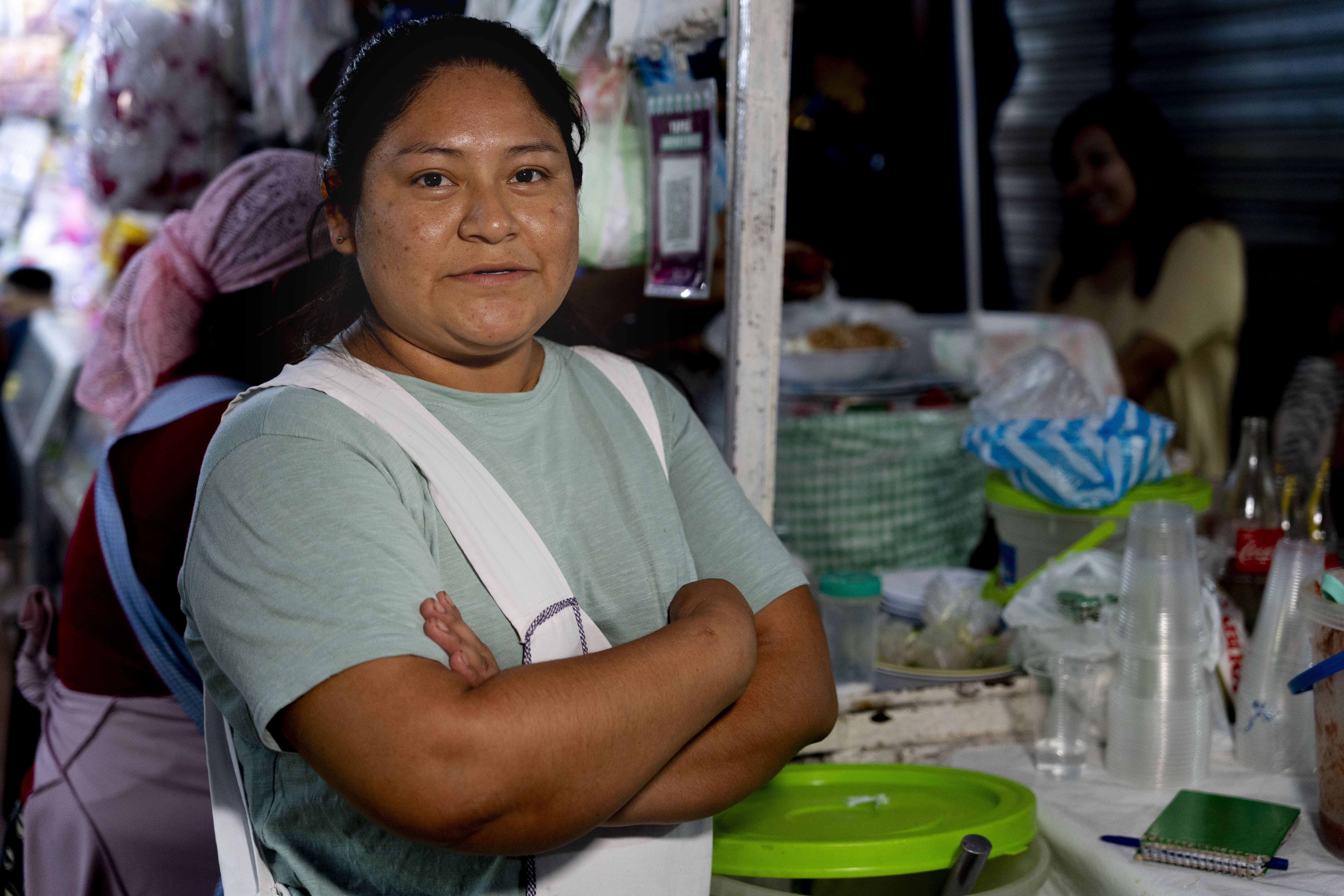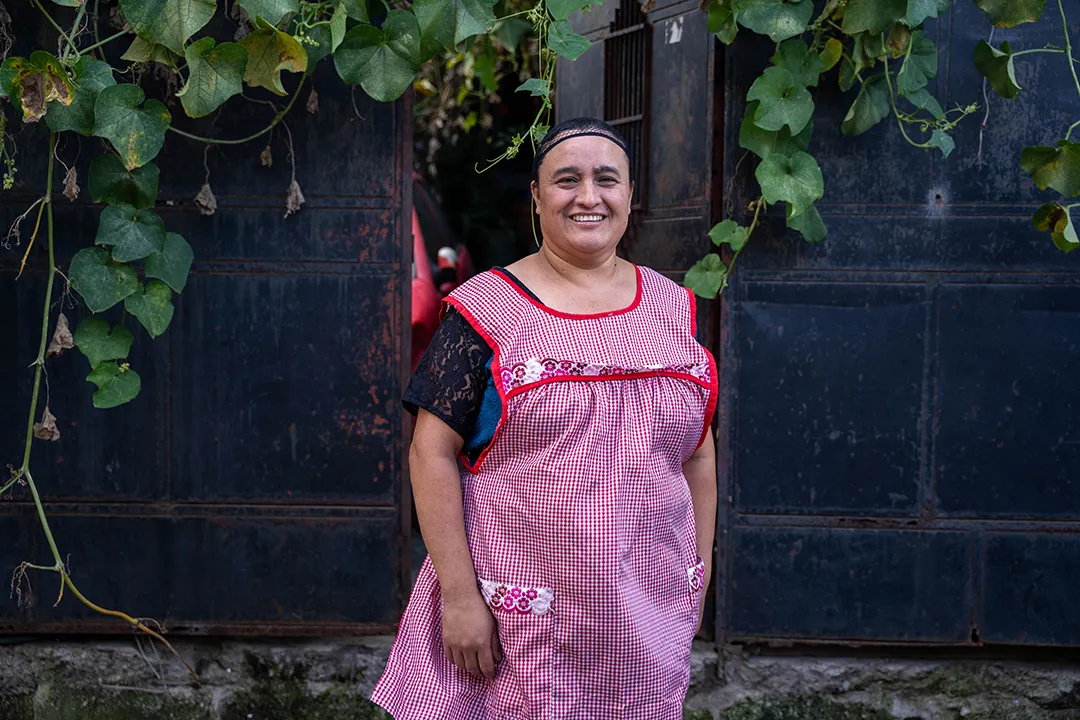
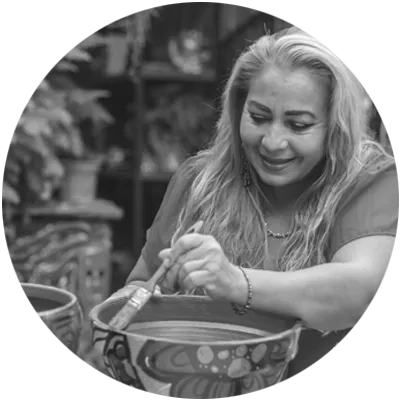
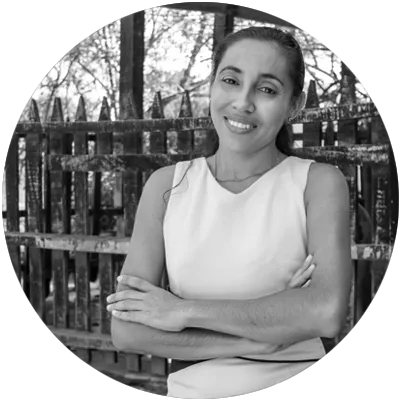
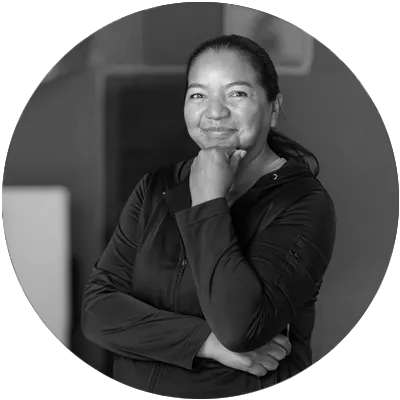
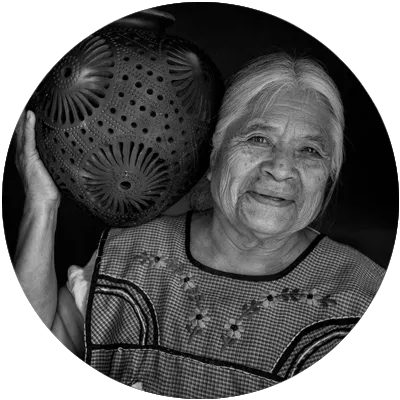
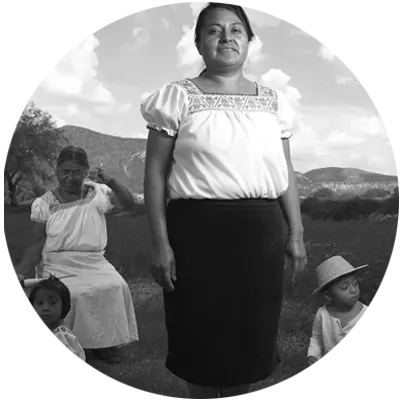
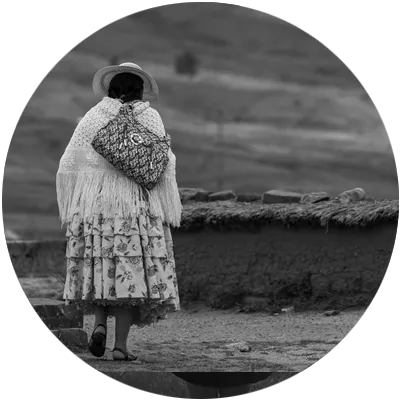
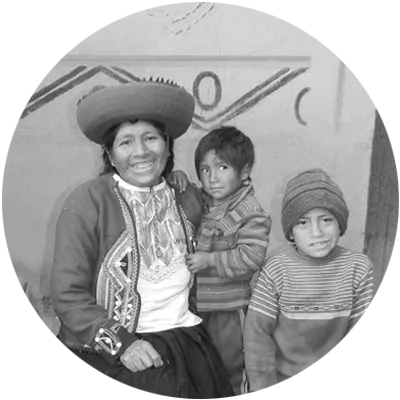
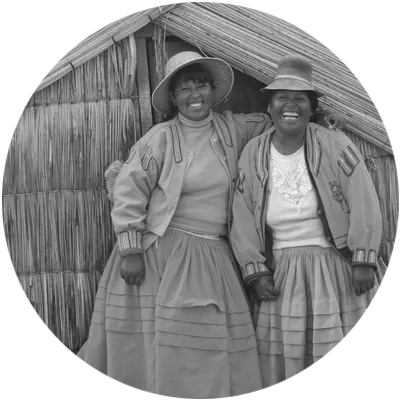
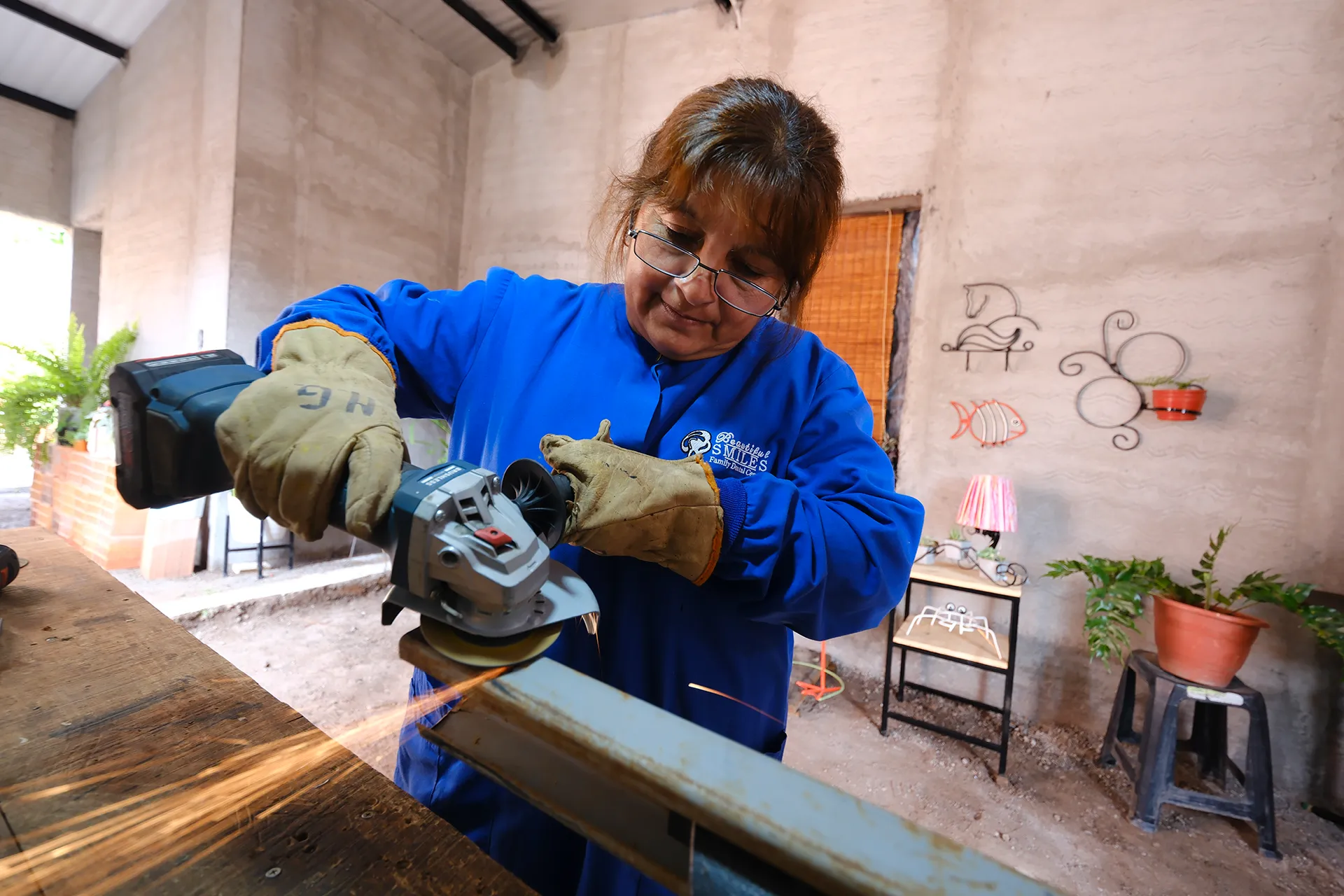
In Salta, a province in Argentina, women continue to face significant inequalities in terms of income, economic opportunities, and access to training. Although more than 40% of the province’s MSMEs are led by women, they remain largely concentrated in the lowest income deciles (57.7%) and show lower employment rates than men. In this context, strengthening women’s economic capacities is not only a development strategy—it is an urgent necessity to advance toward equality.
The partnership between Pro Mujer and ERAMET emerged precisely to respond to this challenge. In 2024, ERAMET decided to broaden its sustainability vision beyond its areas of direct influence and promote a regional impact model through its Beyond program, investing in the economic development of women entrepreneurs across the province. To make this possible, ERAMET partnered with Pro Mujer to extend the reach of Emprende Pro Mujer, the training platform that has reached more than 200,000 women in 28 countries since its launch.
The alliance has a clear and measurable goal toward 2026: to empower 1,200 women in Salta with tools to strengthen their businesses, expand their opportunities, and increase their economic autonomy. And progress to date has been remarkable.
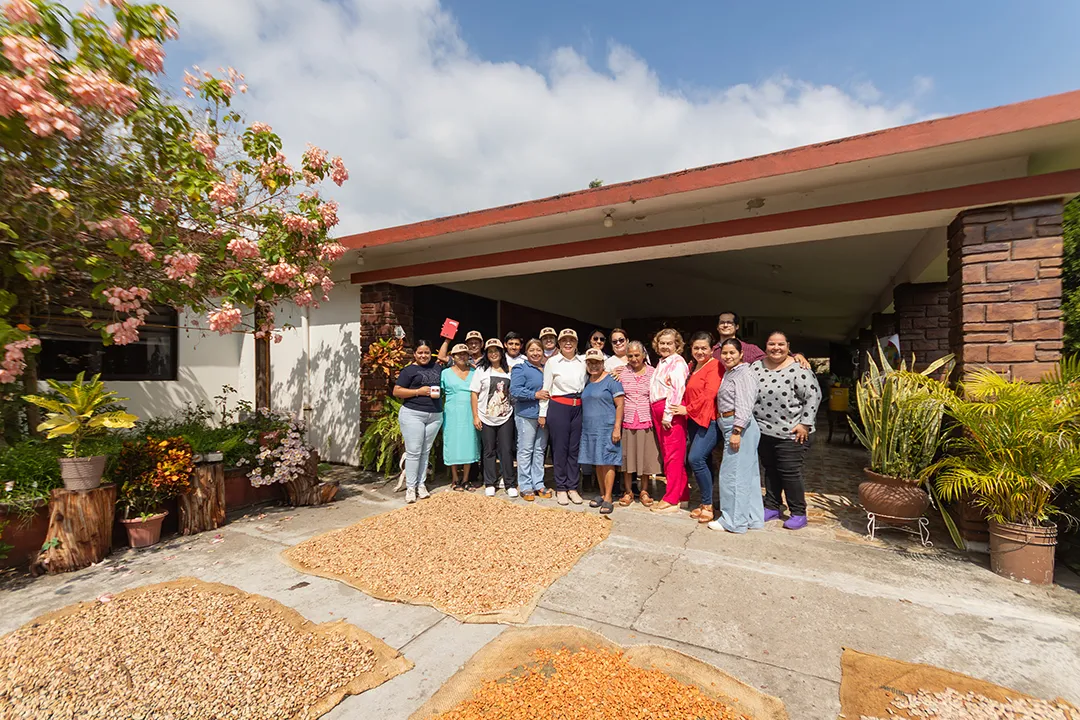
By the end of 2025, Emprende’s hybrid model—combining in-person sessions led by local experts with accessible digital training via WhatsApp—had reached 800 women entrepreneurs across 31 localities. A total of 13 municipalities served as hosts for in-person workshops, ensuring access for entrepreneurs from surrounding communities. This rollout demonstrates the program’s ability to reach diverse territories, from major urban centers to rural communities with limited connectivity.
By strengthening women’s entrepreneurial capacities, Pro Mujer and ERAMET not only enhance each woman’s economic autonomy. They also contribute to the resilience of entire communities, diversify local economies, and promote a more inclusive, equitable, and sustainable model of territorial development.