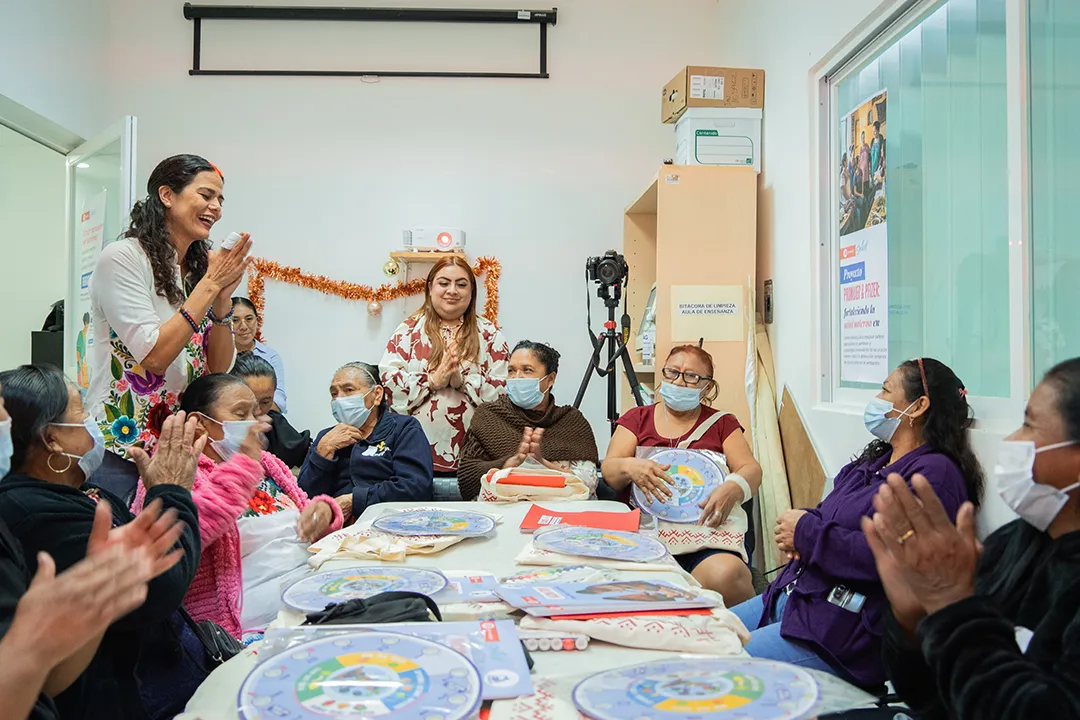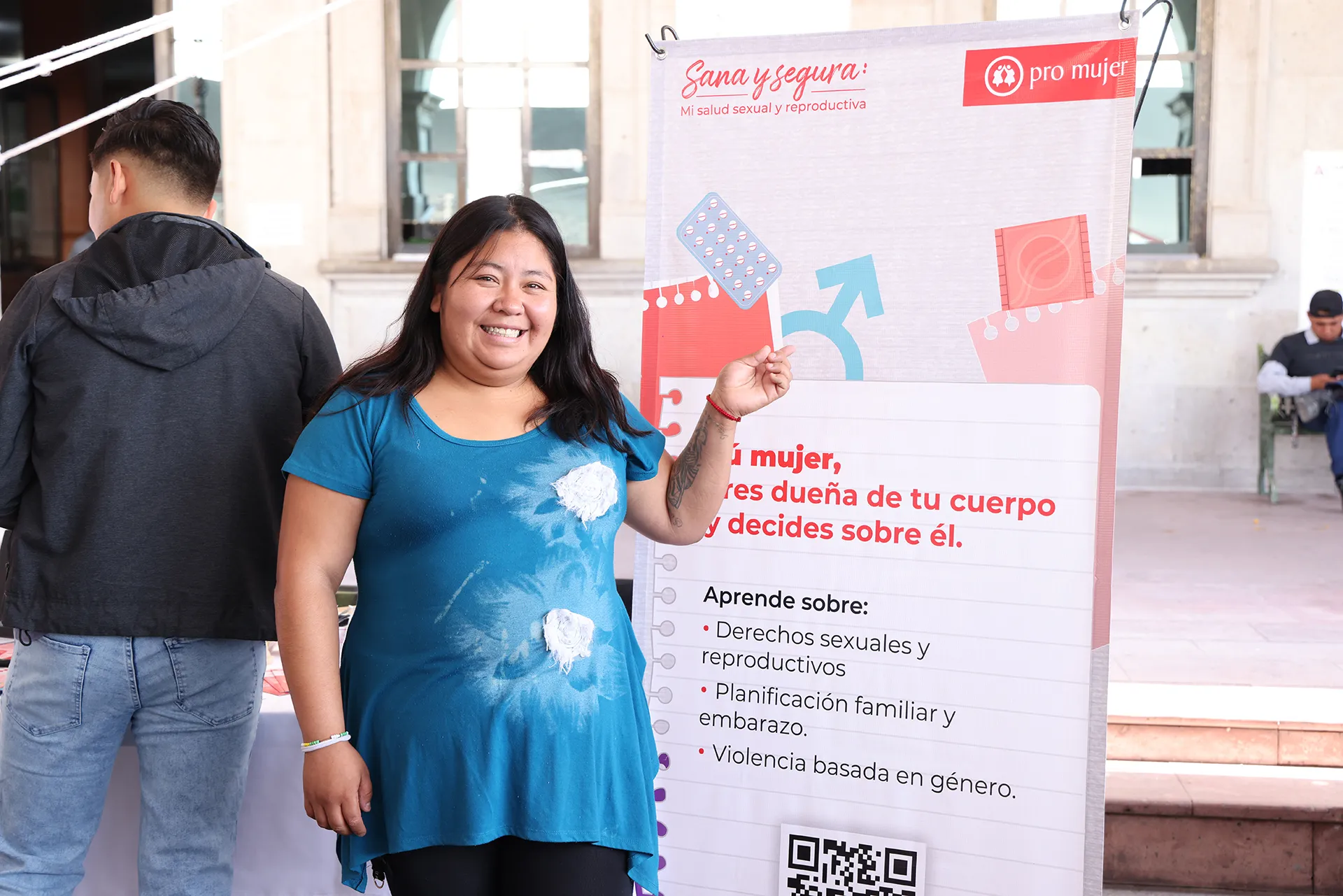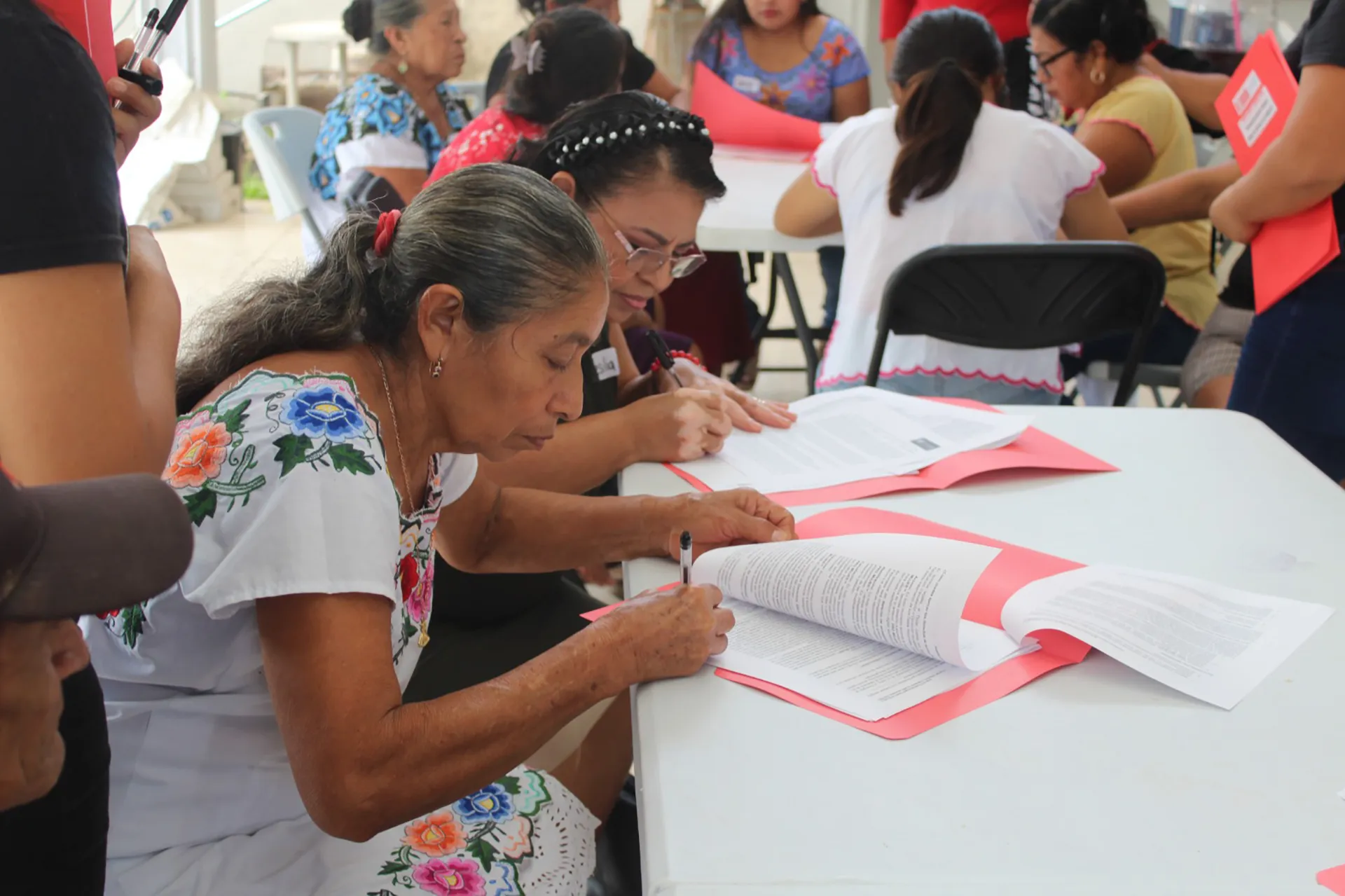
As part of their alliance, Pro Mujer and Banorte carried out a series of health outreach days throughout 2025 aimed at strengthening access to preventive services, health information, and timely screening in localities across Oaxaca.
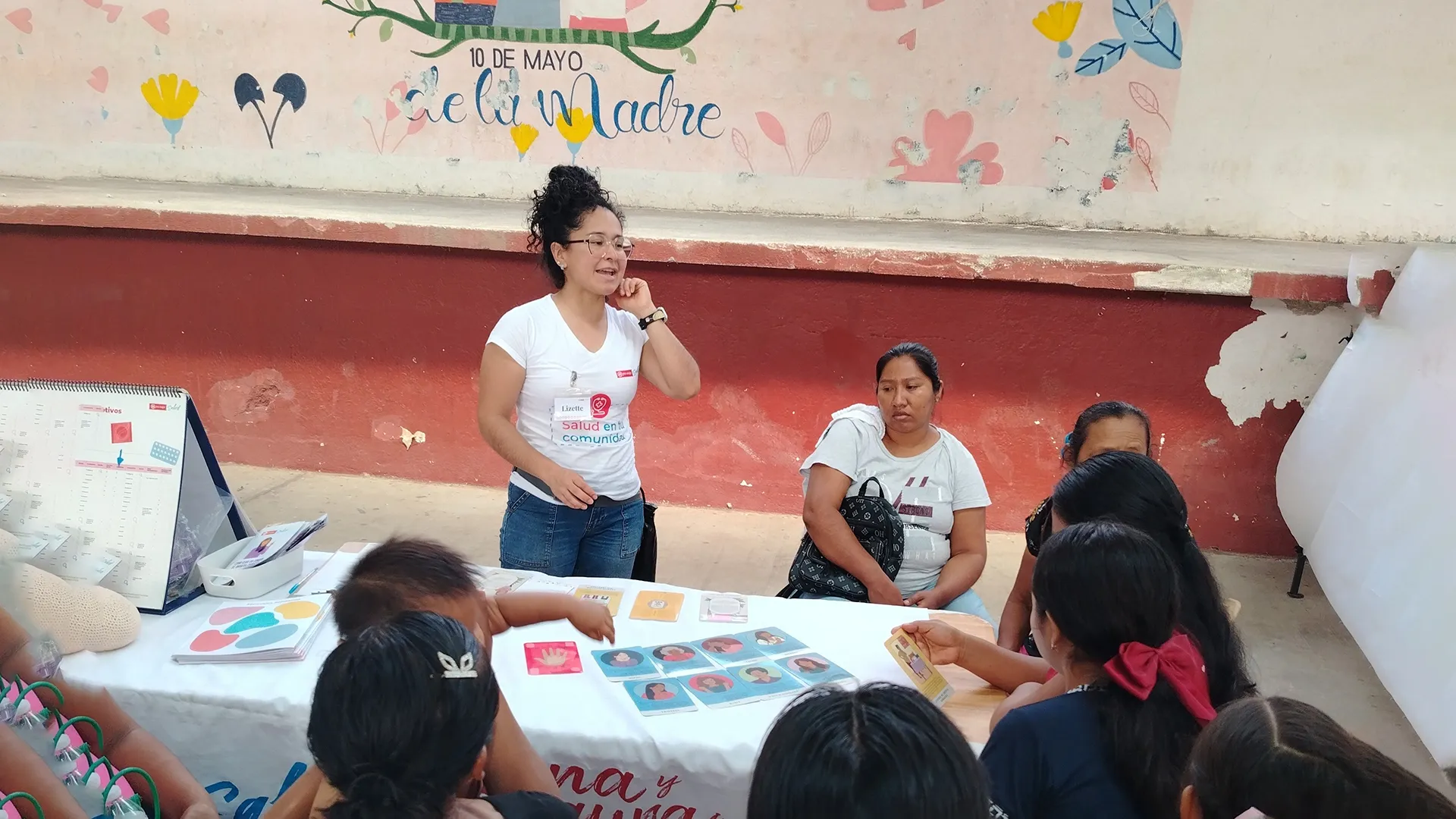
The second outreach event, held on November 18 and 19 in Santa María Mixtequilla and San Blas Atempa, Oaxaca, served more than 470 people and represents a recent milestone in this joint effort. During the event, educational and preventive services were provided on gender-based violence, sexual and reproductive health, menstrual health, cervical cancer, breast cancer, family planning, and clinical breast exams.
In addition, 44 clinical breast exams were conducted, identifying 12 women with findings that required follow-up studies—underscoring the importance of bringing early-detection services closer to communities where access to diagnostic tests remains limited. A total of 685 educational materials and 1,200 condoms were also distributed, strengthening access to key information for prevention and self-care.
Eighty-three percent of those served were women, though men, children, adolescents, and older adults also participated. The awareness-raising activities created open, participatory spaces for dialogue, where people asked questions, shared experiences, and accessed clear and culturally relevant information.
This second outreach event builds on a previous one held in Chiapas, and together, both actions carried out in 2025 reached more than 670 people. Across the two outreach events, the following were delivered:
- +900 direct health and awareness-raising services
- +1.800 educational supplies and condoms
- +2.700 community health and prevention actions
The results of these outreach events confirm the value of strategic partnerships in expanding access to preventive health and reducing gaps in contexts of vulnerability. Through this collaboration, Pro Mujer and Banorte continue to strengthen a care model that prioritizes proximity, prevention, and health accompaniment—contributing to the well-being of women, their families, and their communities.