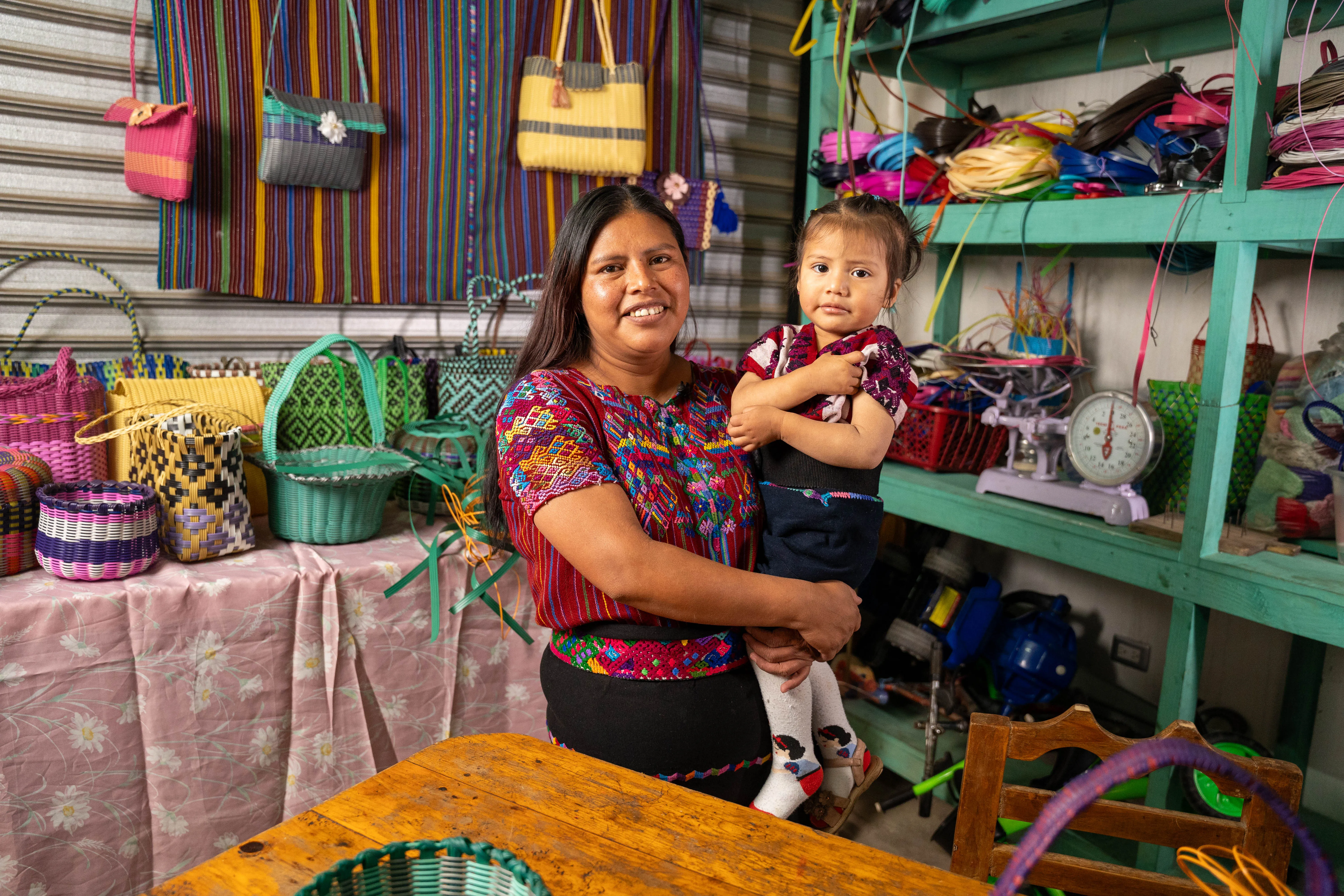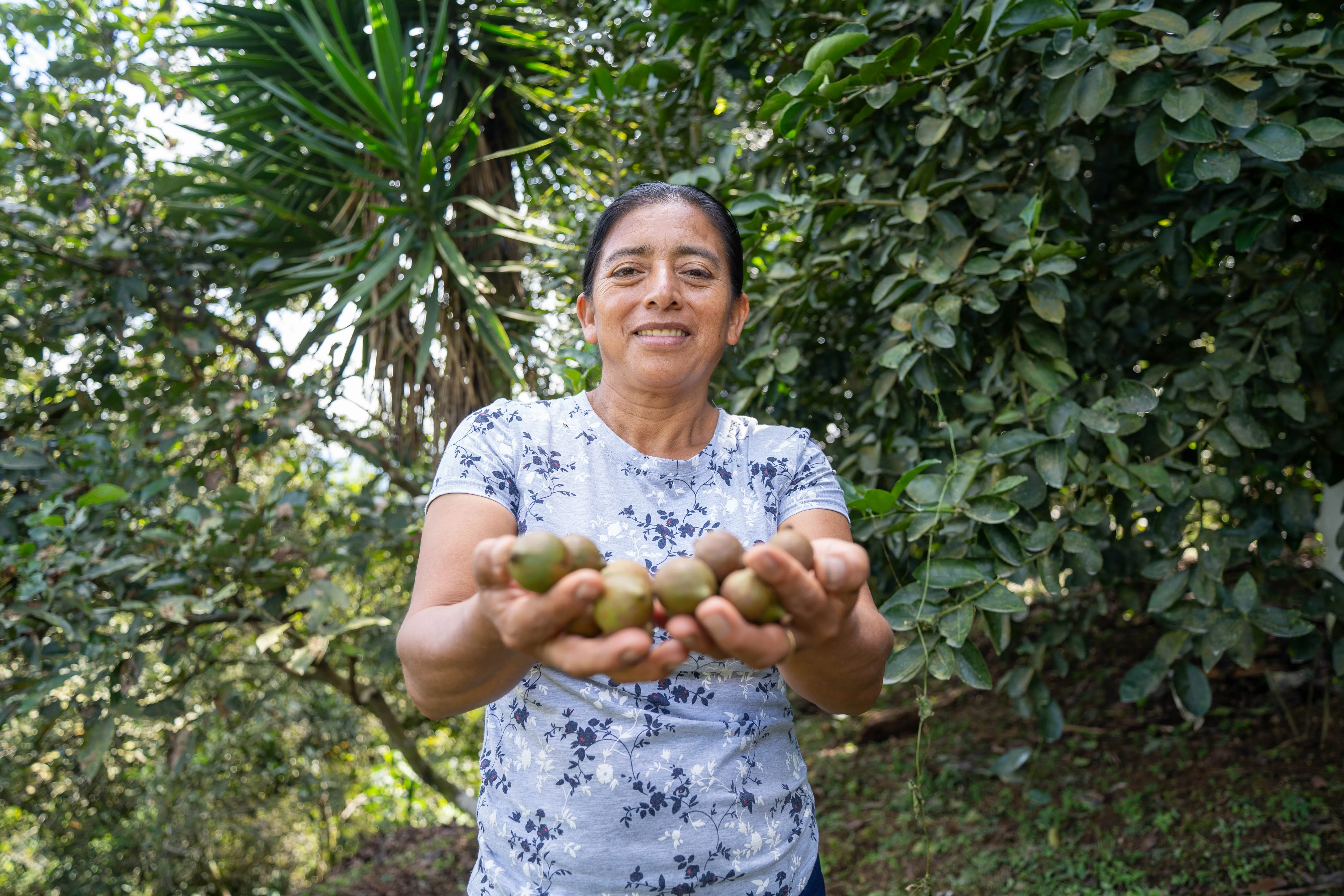



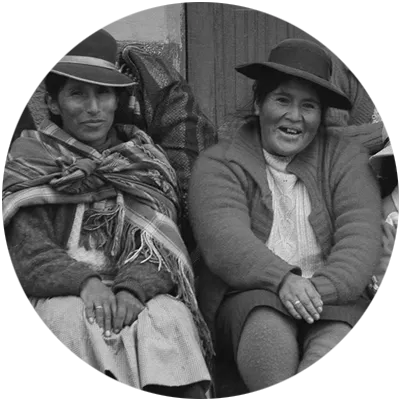
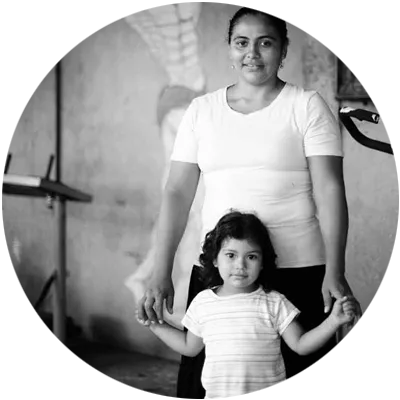
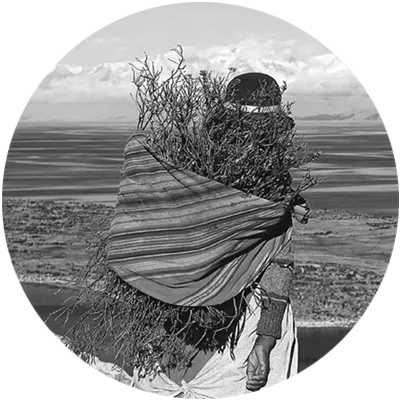
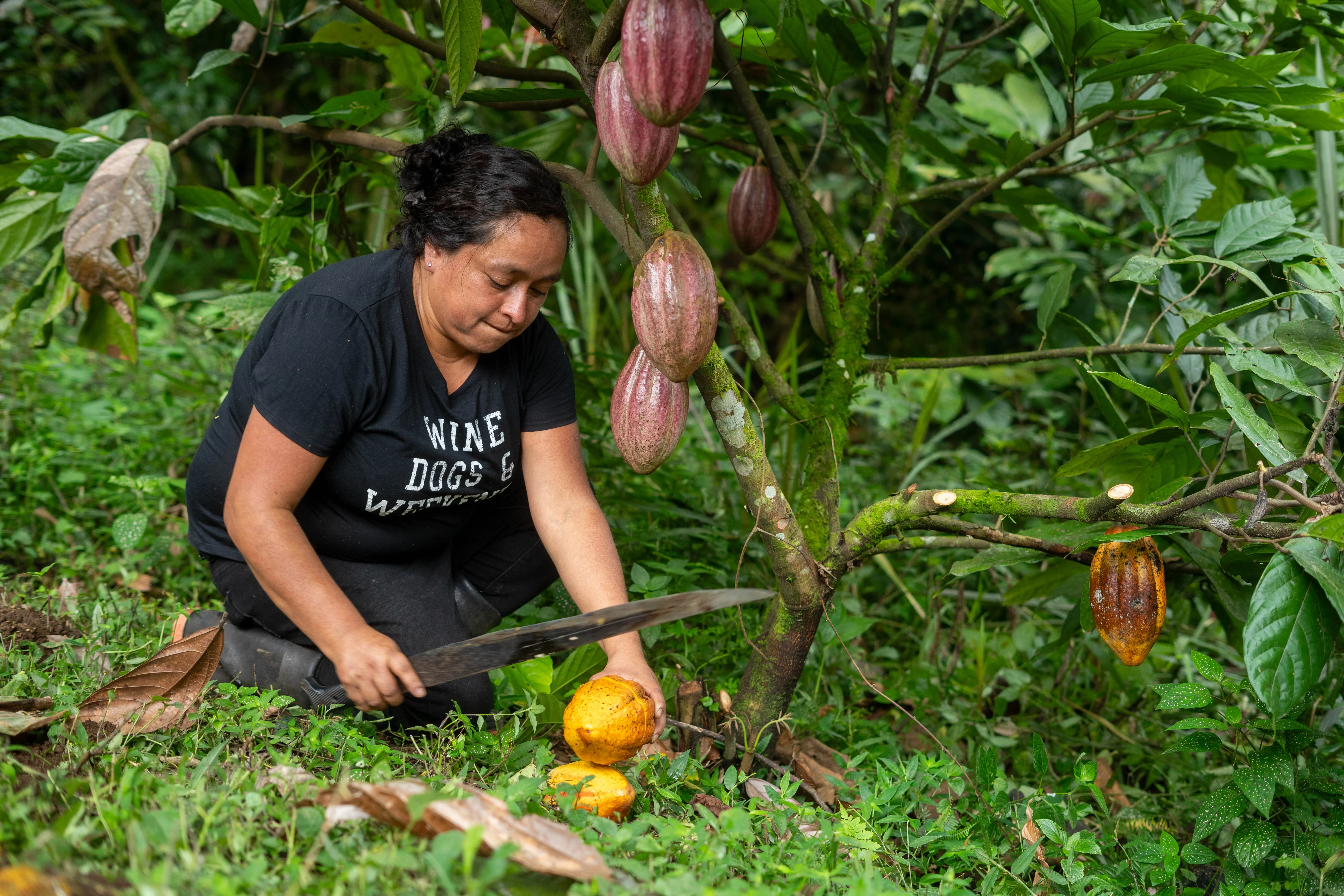
Today, rural areas in Latin America are marked by climate change, lack of access to financial resources, and significant gender gaps. In the face of this reality, it is urgent to rethink how we develop agricultural enterprises. Enter Bringing a Regenerative and Gender Transformative Approach to Agricultural Entrepreneurship (TRAE), a collaborative project between Pro Mujer, Wakami, and Dalberg, with additional support from GEDI and Argidius.
What is TRAE?
The initiative seeks to diversify income streams and strengthen agricultural initiatives using regenerative and climate-resilient agricultural methods, with a strong emphasis on the leadership of women and youth in rural communities in Guatemala.
In 2023 and 2024, TRAE supported seven agricultural cooperatives and groups based in the municipalities of Camotán, Jocotán, Olopa, and San José Poaquil in the departments of Chimaltenango and Chiquimula. The initiative impacted the lives of 388 people (142 directly and 246 indirectly), 79% of whom were women, 74% Indigenous people, and 100% from rural areas.
A Comprehensive Initiative:The Three Elements of TRAE
- Ecosystem and value chain analysis: Personalized assessments were implemented for each cooperative using interviews and surveys. An action plan was then developed to improve internal processes and identify key opportunities.
- Productive strengthening and climate resilience: More than 10 workshops were held to improve internal management, negotiation skills, and sustainable agricultural practices.
- 57% of cooperatives improved their negotiation processes.
- 100% improved their internal management.
- 86% implemented climate-smart practices. Measures implemented by the cooperatives included:
- Reducing the use of agrochemicals
- Introducing climate-resilient coffee varieties
- Soil conservation methods
- Sustainable farming techniques
These measures not only improve productivity and income, but also reduce environmental impact and encourage a more balanced relationship with local ecosystems.
- The cooperatives also received education to increase their access to finance. The sessions focused on sharing information about financial and digital tools. Thanks to this training, four cooperatives were able to access technical assistance to further strengthen their economic sustainability.
The next steps for the TRAE initiative are clear: Continue to strengthen financial support, expand access to credit in rural areas, scale the methodology to more territories that face similar conditions, and strengthen the model by incorporating the lessons learned in the field and supporting the initiative’s long-term sustainability.
TRAE shows that with close collaboration based on the real needs of local communities, it is possible to build fairer, more sustainable, and more resilient economic models. Betting on women, caring for the environment, and encouraging local innovation are key to transforming rural areas from within.