


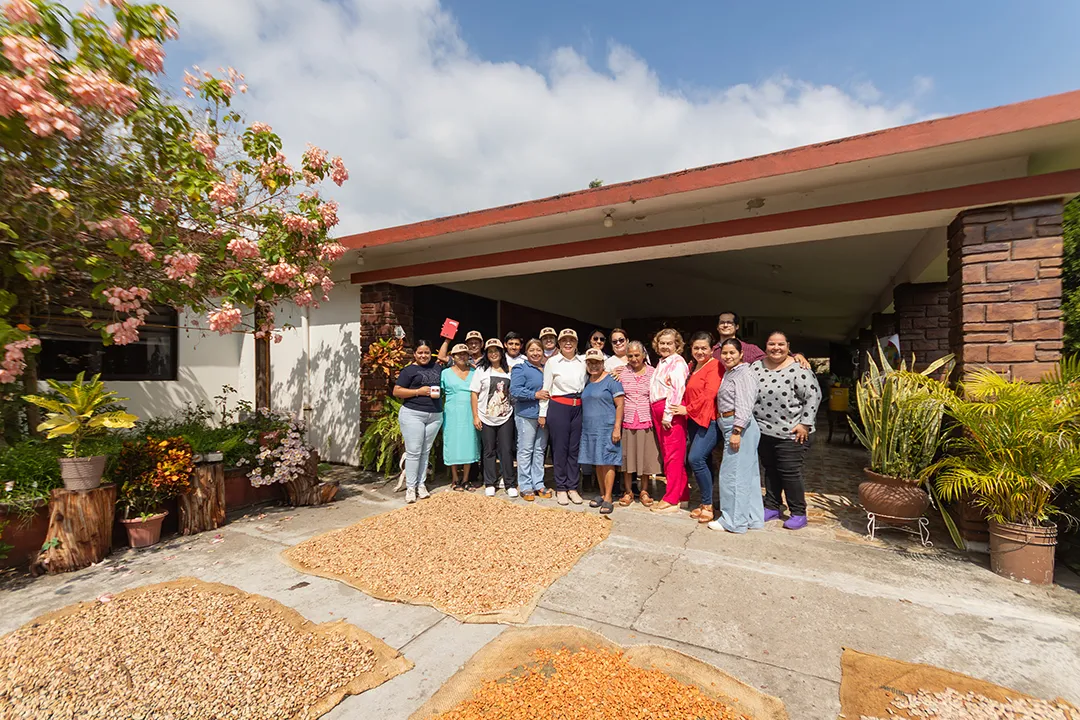
Pro Mujer and Nestlé Mexico continue to strengthen their partnership to integrate a gender perspective into the cocoa value chain in Tabasco, promoting actions that expand opportunities for women producers and enhance the sector’s sustainability.
Through the Gender Knowledge Lab (GKL), Pro Mujer’s advisory arm, this collaboration combines diagnostic analysis, technical assistance, and hands-on, field-based training, with a vision for sustainable and scalable impact.
In Mexico, cocoa production exceeds 28,000 tons and is primarily concentrated in the states of Tabasco and Chiapas. Nestlé accounts for approximately 20% of national cocoa purchases, and within its Cocoa Plan, only 25% of affiliated producers are women.
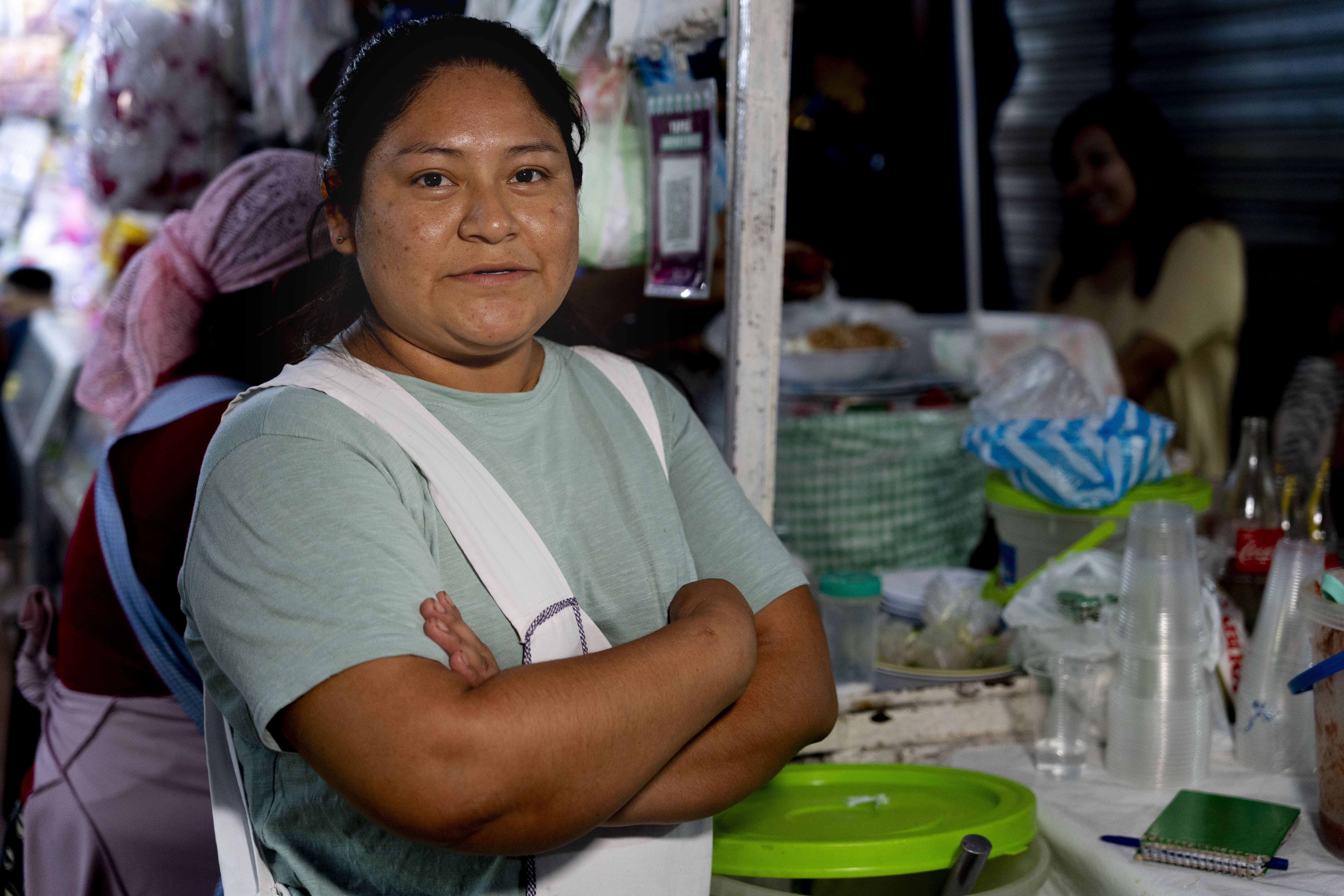
This gap limits women’s participation in decision-making spaces, training opportunities, and access to key tools for improving productivity and sustainability — despite the essential role women play in cultivation and community life.
As a starting point, in 2024 Pro Mujer and Nestlé conducted both internal and external assessments to identify barriers and opportunities within the Cocoa Plan’s agricultural team and in cocoa-producing communities in Tabasco.
Based on these findings, practical workshops were delivered to non-cooperativized women producers, connecting economic tools with their roles within the value chain and their communities. The training focused on strengthening skills related to cost management, fair pricing, producer networks, and leadership, while also fostering reflection on gender roles and stereotypes that may hinder women’s participation.
“Through the GKL, we aim to mainstream a gender perspective across companies and organizations, including within agricultural value chains,” said Tomás González Bergez, Global Gender Manager and Head of the GKL at Pro Mujer. “We seek to support women in taking greater decision-making power and advancing toward real and substantive gender equality within cocoa production.”
In 2026, the partnership will enter a new phase focused on consolidating leadership and participation, enabling more women producers to engage in organizational and decision-making spaces linked to the cocoa value chain within their communities.