


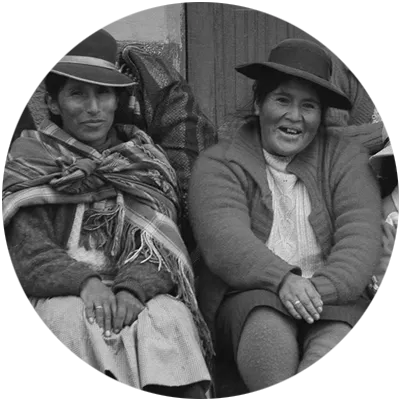
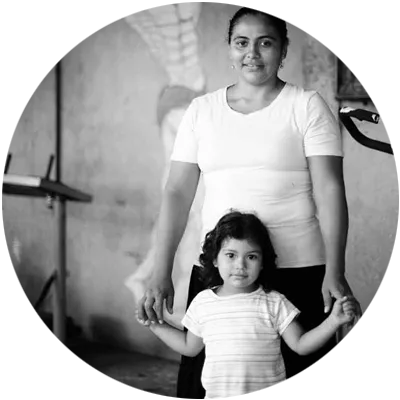
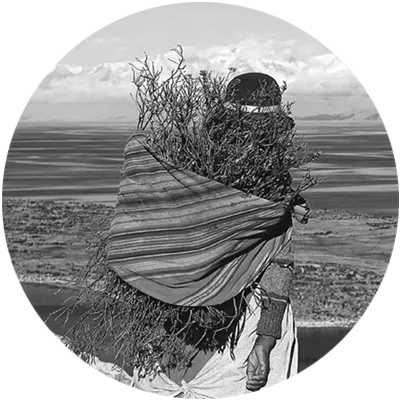
In Mexico, less than 20% of rural women have legal access to the land they work. Women agricultural producers face structural barriers that limit their participation in decision-making spaces and impact the sustainability of the agricultural system as a whole.
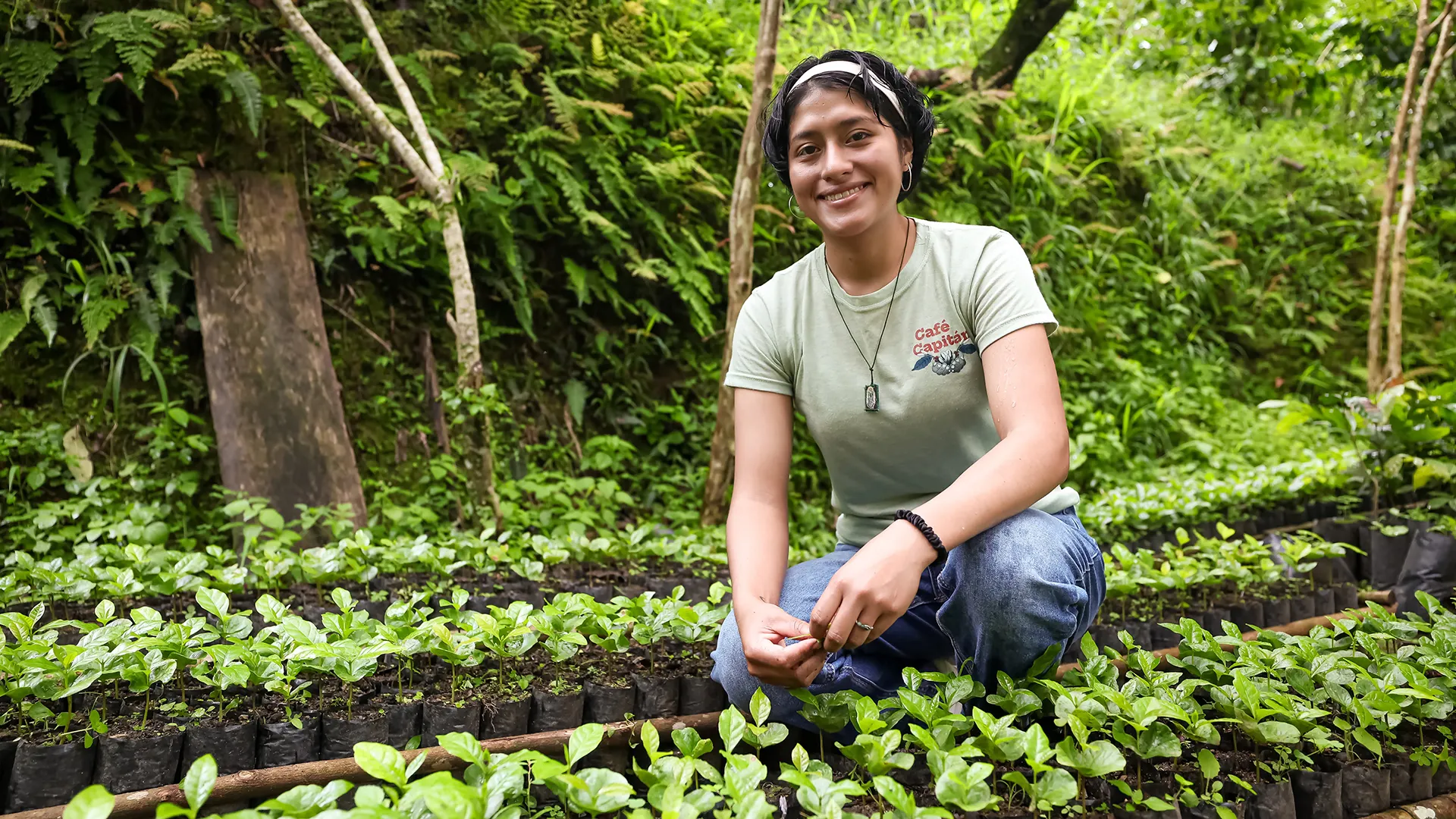
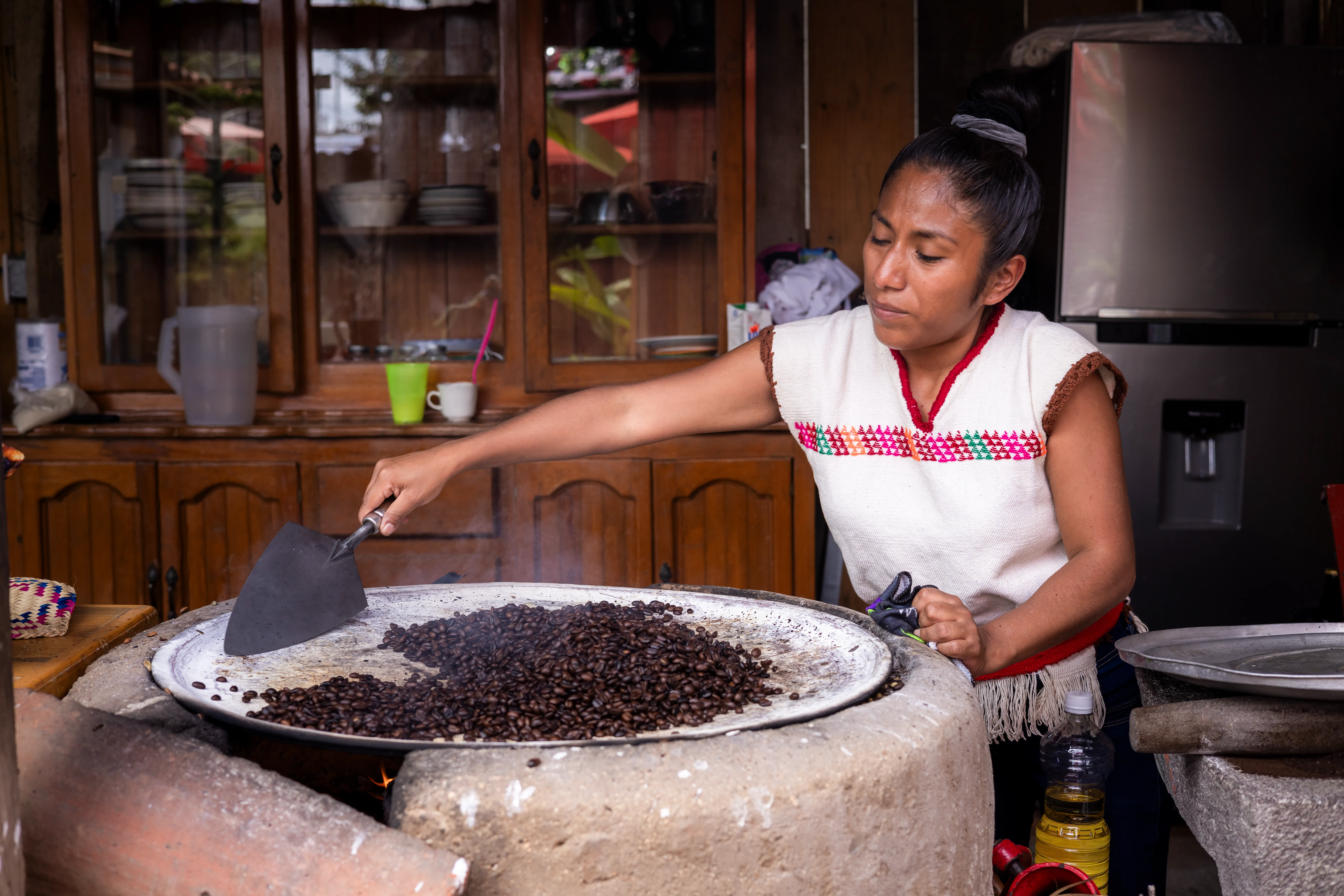
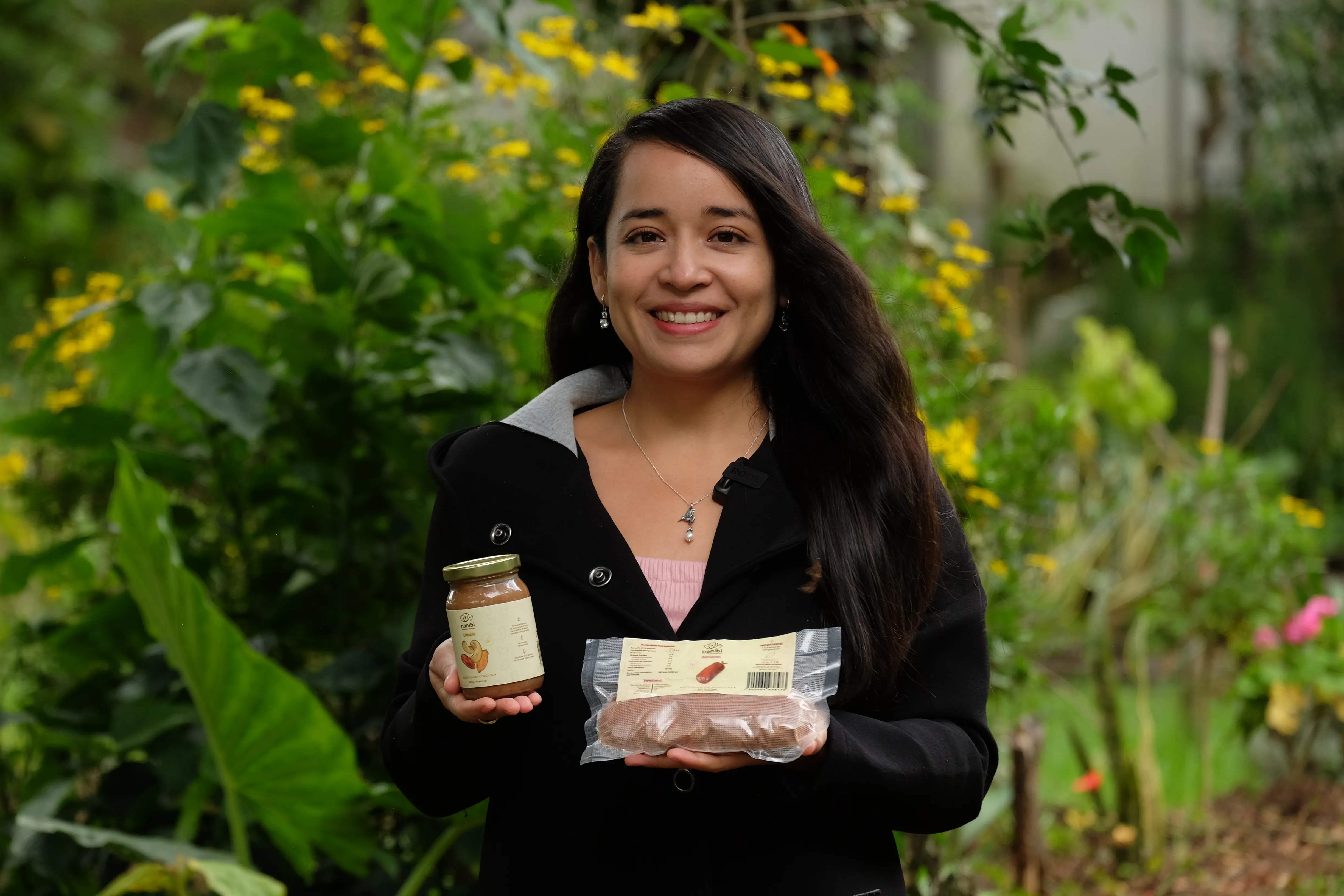
In 2024, Pro Mujer and the Walmart Foundation came together to support more than 210 women coffee and cacao producers, as well as 8 agricultural organizations, to incorporate a gender and environmental sustainability perspective into their operations.
The pilot project, which was implemented in the states of Chiapas, Oaxaca, and Veracruz, focused on two core strategies:
- Providing organizational strengthening to agricultural organizations, including creating an assessment and relevant action plans that incorporate both a gender and environmental perspective.
- Using the Emprende Pro Mujer platform to train women agricultural producers and develop their business skills, confidence, and economic independence.
In terms of mainstreaming a gender approach, the Pro Mujer Gender Knowledge Lab implemented an ecosystem assessment and identified structural gaps, such as unequal access to land and resources, women’s limited participation in decision-making bodies, the burden of domestic and care work, and the lack of opportunities for rural youth.
Following this process, each organization established a 2025-2030 action plan featuring concrete measures to transform its internal structures, including inclusion protocols, strengthening female leadership, gender-sensitive accountability mechanisms, and climate change adaptation initiatives.
The eight participating organizations showed organizational ownership, openness to change, and a growing awareness of sustainability as a market strategy.
In parallel, more than 210 women farmers participated in Emprende Pro Mujer’s Valoro Mi Negocio program to strengthen their business management skills, financial education, climate resilience, and leadership. The impact of the program is tangible:
- 72% of participants reported having decision-making power over their income.
- 91% reported key lessons learned related to self-care.
- 54% developed new financial literacy skills.
- 50% reported increased self-confidence in their role as agricultural producers with a voice and agency.
This dual approach shows that the sustainability of the sector depends on equality, and that the future of agricultural value chains in Mexico requires recognizing women as key actors.
With this pilot, Pro Mujer and the Walmart Foundation are laying the groundwork for a model that can be replicated in other regions, reaffirming their commitment to strengthening rural communities and building more inclusive and sustainable agricultural systems.