
The need for gender-sensitive health approaches is increasingly urgent. In a world facing multiple crises, from pandemics to persistent inequalities, ensuring universal access to high-quality, affordable health services for women and girls is an economic imperative and a fundamental human right.
As Alanna Armitage, Representative for UNFPA in Mexico, observed, “We need to stop seeing women’s health and bodily autonomy as just a social issue and start treating it as a critical economic infrastructure issue.” When a girl or woman lacks agency over her well-being, it restricts her ability to make informed choices and control her own life, particularly in areas like education, finances, and career.
Bodily autonomy is the foundation from which everything else flows, and ignoring it comes with a high cost. “In Mexico, for example, teenage pregnancy represents an annual economic impact of 76 billion pesos,” shared Armitage, noting that inaction, in addition to being unjust, is expensive.
Despite some global progress, UN Women reports that significant gender gaps persist across various areas, including economic opportunity, social protection, and health.
- While the percentage of women receiving social benefits rose by 33% from 2010 to 2023, around 2 billion women and girls still lack access to these crucial forms of social protection.
- While family planning coverage for 15-24 year olds has increased, only 66% report having their needs fully met, leaving a significant portion with unmet needs compared to older individuals.
- Maternal mortality is another critical indicator. While global maternal mortality decreased between 1990 and 2015, progress has slowed, and the figures have remained virtually unchanged since 2015. In 2020, the global maternal mortality ratio was 223 deaths per 100,000 live births, only a slight decrease from 227 deaths in 2015. This stagnation is a serious warning.
In this context, HealthTech innovations have emerged as a powerful tool to address both gender inequality and multiple Sustainable Development Goals (SDGs), including:
- SDG 3 by improving access to high-quality care;
- SDG 5 by empowering women in their sexual and reproductive health;
- SDG 10 by decreasing geographic inequality in terms of access to services;
- and SDG 17, because none of this is possible without partnerships between startups, governments, clinics, and organizations.
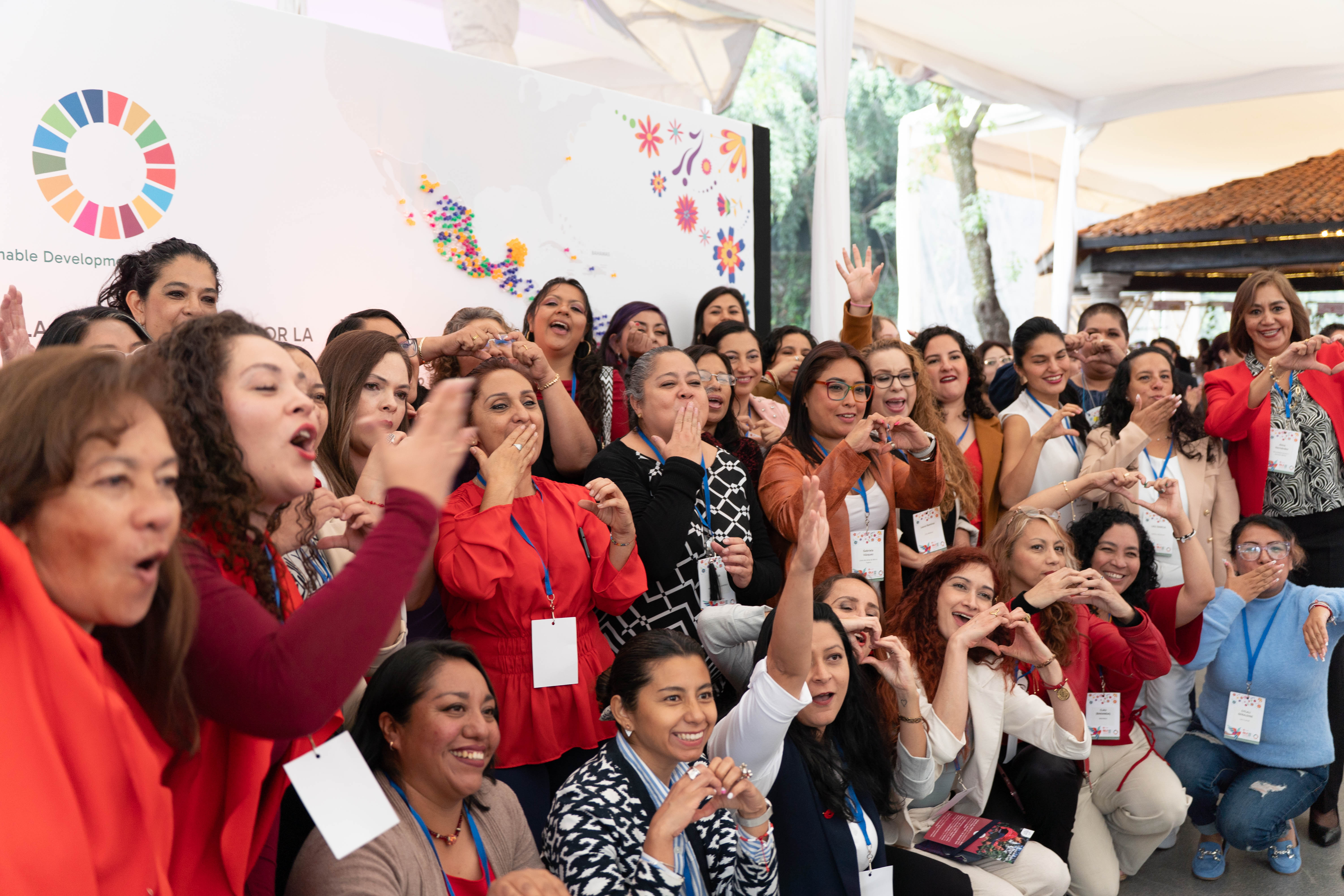
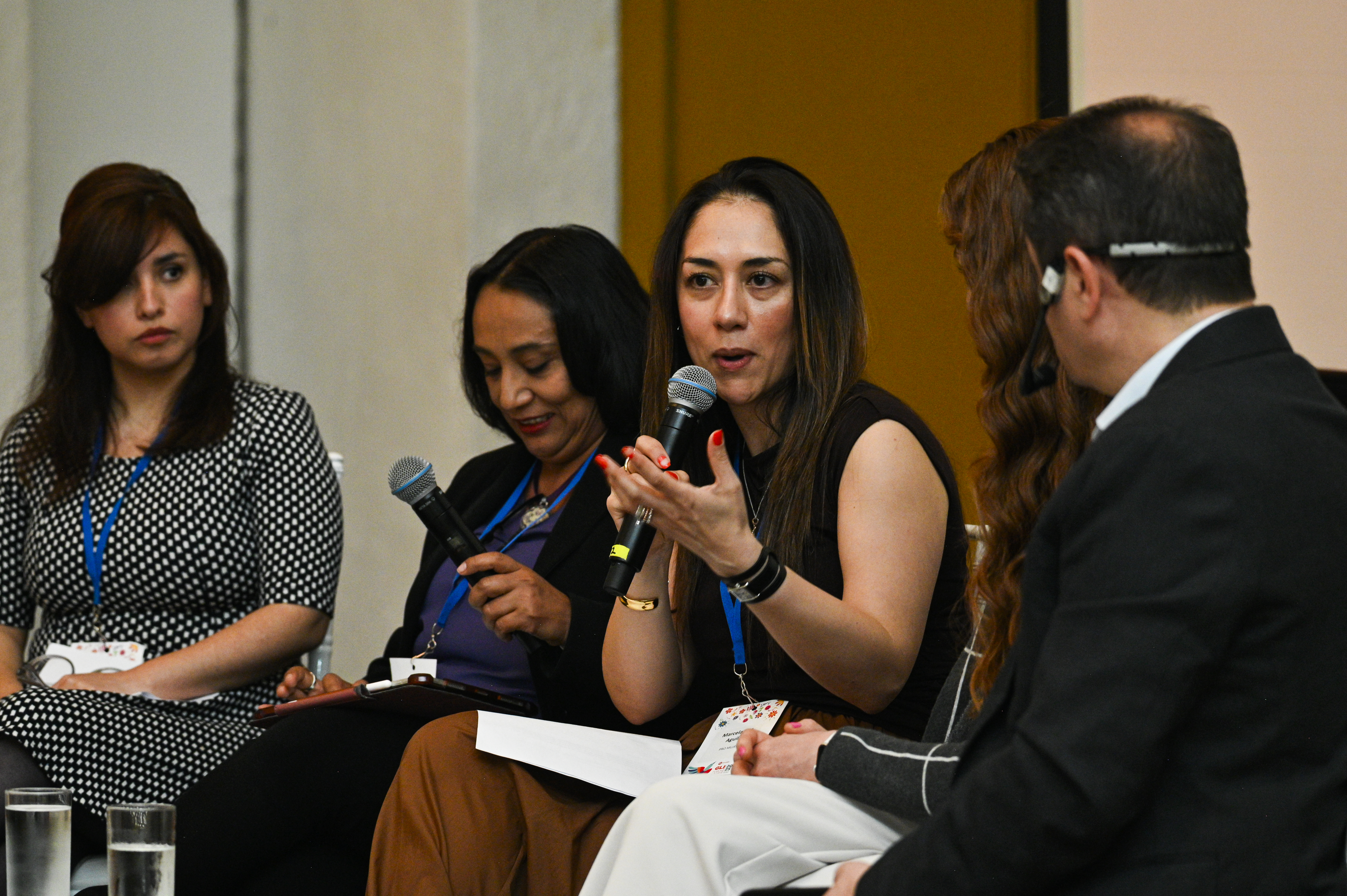
We were proud to welcome pioneering HealthTech organizations at the GLI Forum, where they were invited to present their vital work to support women’s health.
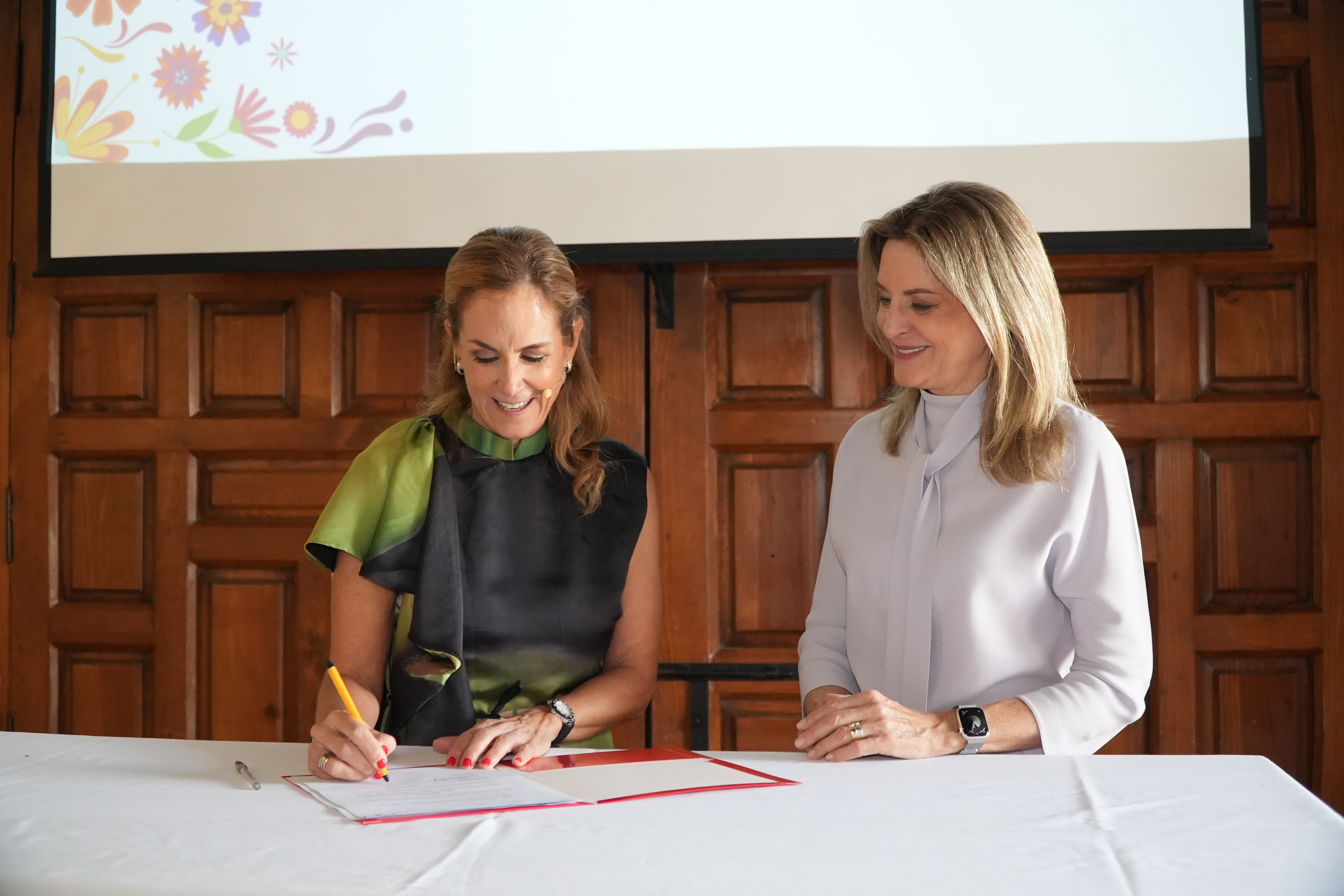
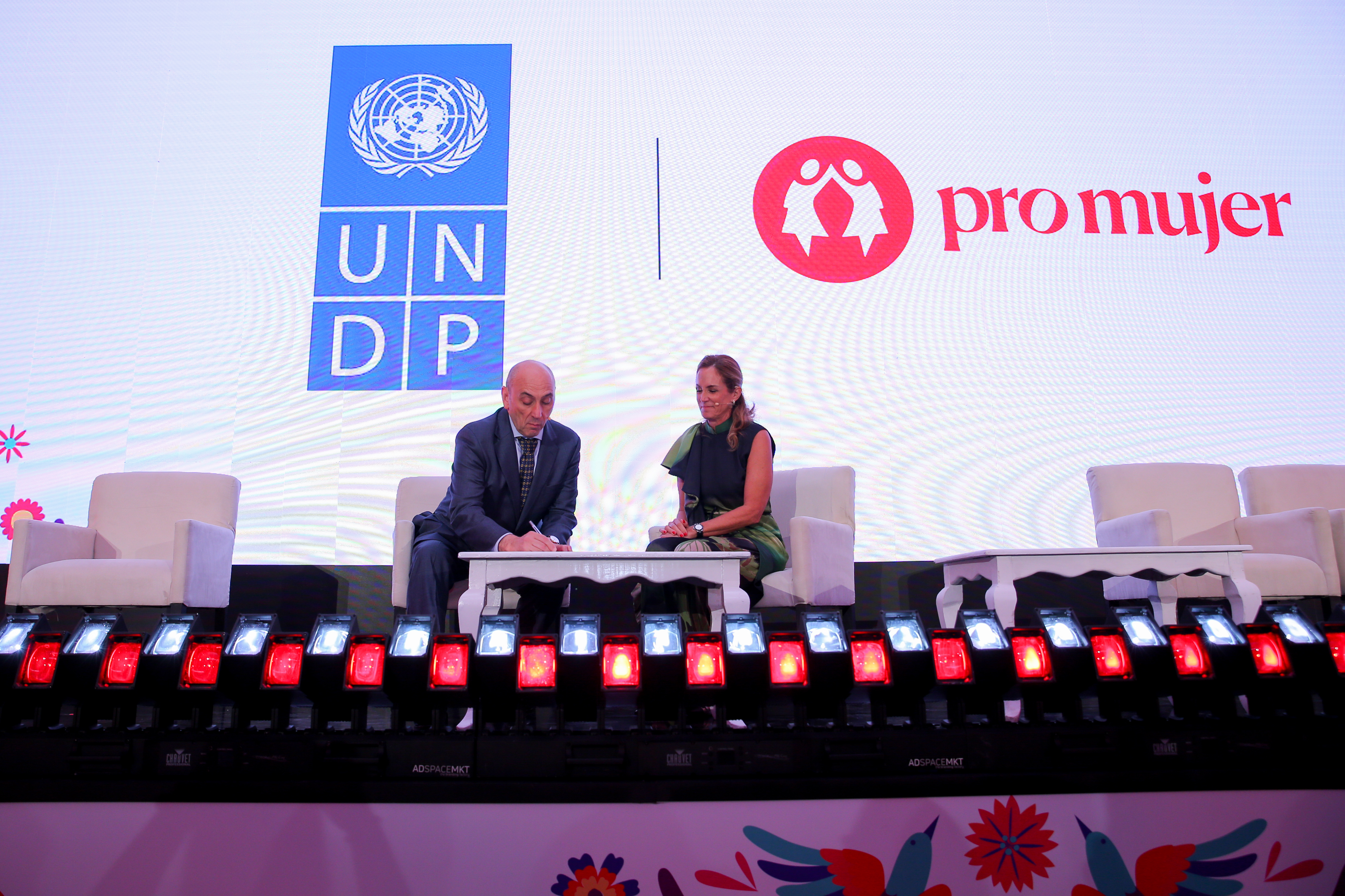
- Marcela del Aguila, Global Director of Health Services at Pro Mujer, shared how the organization is leveraging its 35 years of experience to develop tools, including chatbots and digital platforms, to facilitate access to essential medical information and services, particularly in rural areas. “HealthTech is not a fad,” she emphasized. “It’s about using technology to improve our lives.”
- Plenna, led by Lorena Ostos, is providing accessible, high-quality medical services that empower women to take control of their health, challenge stigmas, and effectively leverage technology.
- Mamotest, led by Matías Loyato, is focused on the early detection of breast cancer, a disease that affects 460,000 women a year in Latin America. “A woman diagnosed early has up to a 98% chance of survival,” noted Loyato. “But most women in [Latin America] aren’t diagnosed until the later stages [of the disease].” Providing access to accessible technology, easy-to-access clinics, and clear educational resources is vital.
- Clínicas del Azúcar, led by Javier Lozano, provides comprehensive care to treat diabetes, currently a leading cause of death in Latin America.
- Medikit, led by Bruno Valera, is developing the first interoperable e-prescription system in Mexico, enabling health systems to connect. “Talking about health is talking about economics,” said Valera. “For many people, filling just one prescription can cost an entire day’s salary. And if that person is a woman, we must consider the wage gap, the most common diseases, and her role as a primary caregiver. The impact is immense.”
Access to health services is crucial, but it’s not enough. Providing women with education, information, and emotional support is crucial for them to feel comfortable accessing health services.
According to del Aguila, “The real disruption is that today, women are talking openly about their sexuality, patients with diabetes no longer have to wait months for a consultation, and rural women are able to receive timely diagnoses. That’s technology supporting life.”
Investing in women’s health is a strategic investment that yields substantial social, economic, and developmental returns. It’s time to stop asking what it costs to guarantee women’s rights and start calculating the immense returns.
Because, as noted by the panelists, no one can make decisions about their lives if they cannot make decisions about their own bodies. Guaranteeing the right to health with a gender perspective is crucial for women to live and lead fulfilling lives.