
In a dynamic global landscape, the rising prominence of women in leadership positions is increasingly recognized as crucial for organizational success. In 2023, the percentage of female CEOs in Fortune 500 companies reached a record high of 10.6%, a significant increase from 6.6% in 2019. Increased adoption of technology and evolving worker expectations are driving significant changes in labor and social structures.
While there have been advancements in women’s representation in public life and the workplace, recent trends indicate a decline in global gender equality. Around the world, there is a growing trend of backlash against women’s movements and other marginalized groups, with narratives emerging that seek to undermine or reverse their hard-won gains.
The fight for gender equality is at a critical juncture. Women’s and girls’ rights are facing unprecedented threats globally, including increased discrimination, weakened legal protections, and reduced funding for vital programs that promote and safeguard gender equality. This is not an isolated phenomenon, but a global trend that demands a coordinated and decisive response.
Globally, women hold just under 27% of board seats (Deloitte), and only 62% of business decisions are currently made by gender-diverse teams. Companies still have the potential to improve their inclusive decision-making practices (McKinsey), representing an untapped strategic opportunity.
In addition, women globally still earn approximately 20% less than men on average (UN Women) and are more likely to work in informal, precarious, or unpaid jobs. The data reflects a worrying stagnation: only 63% of women aged 25-54 are in the workforce, compared to 92% of men (UN Women). Beyond the issue of social justice, this represents a significant loss of potential talent and economic growth.
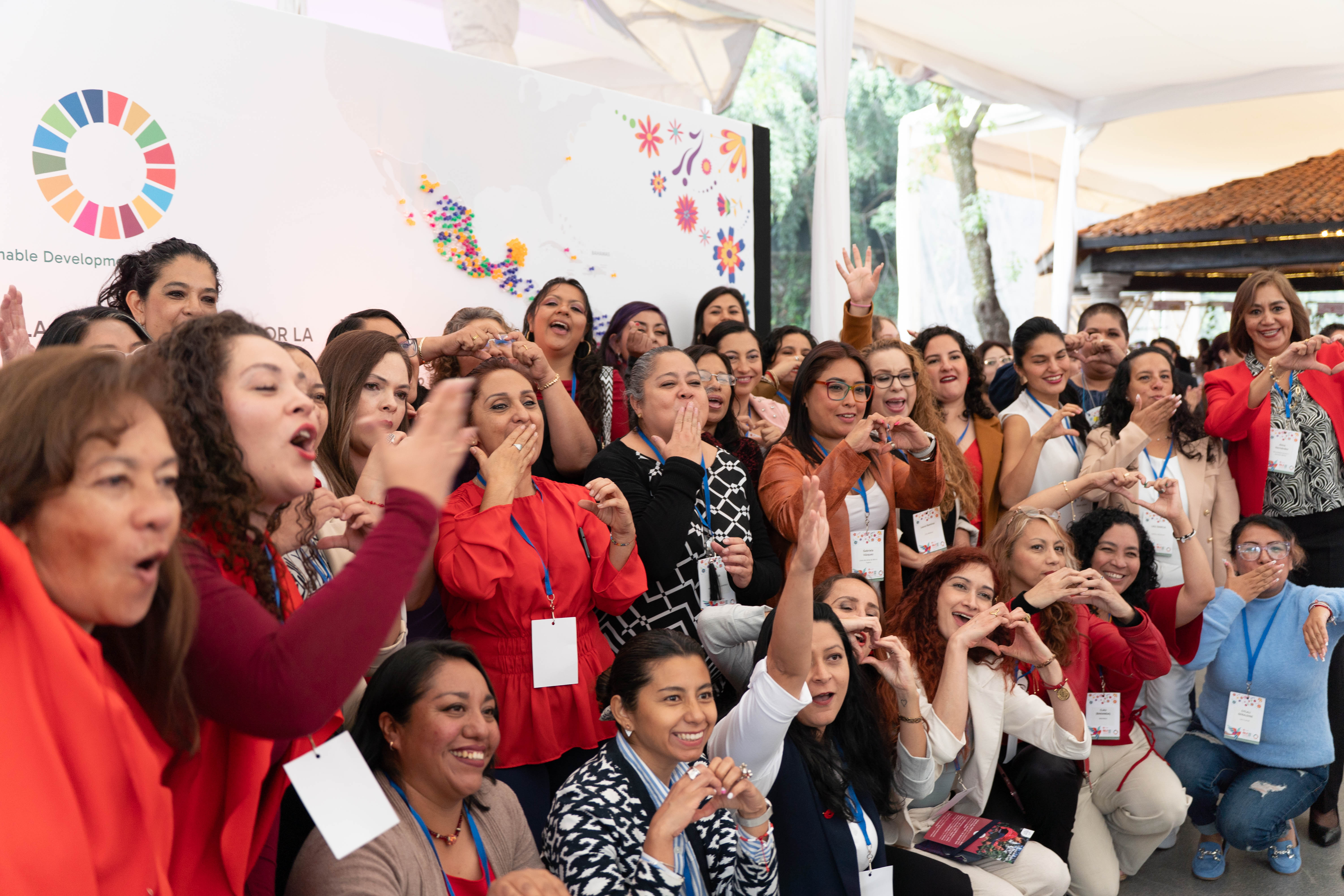
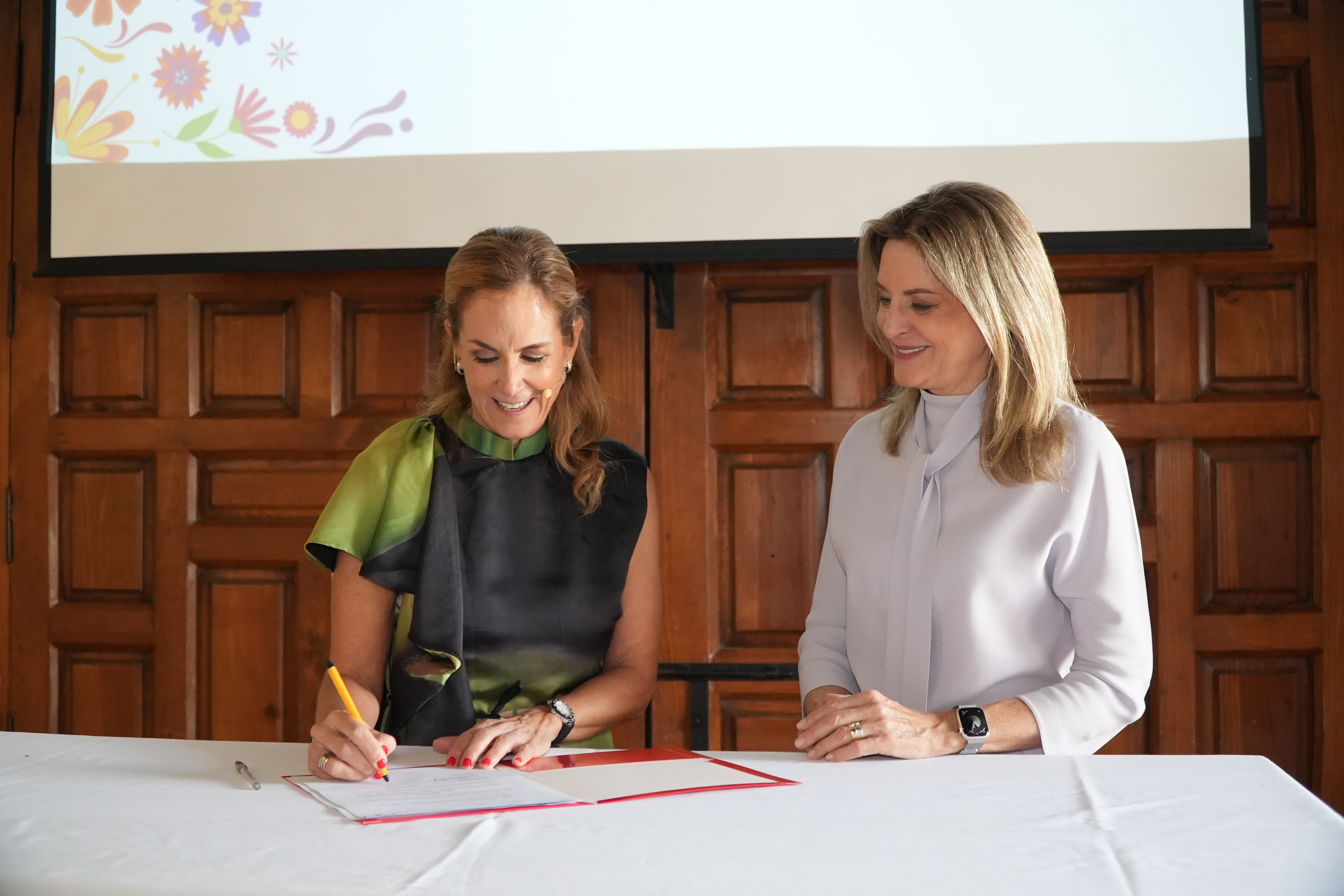
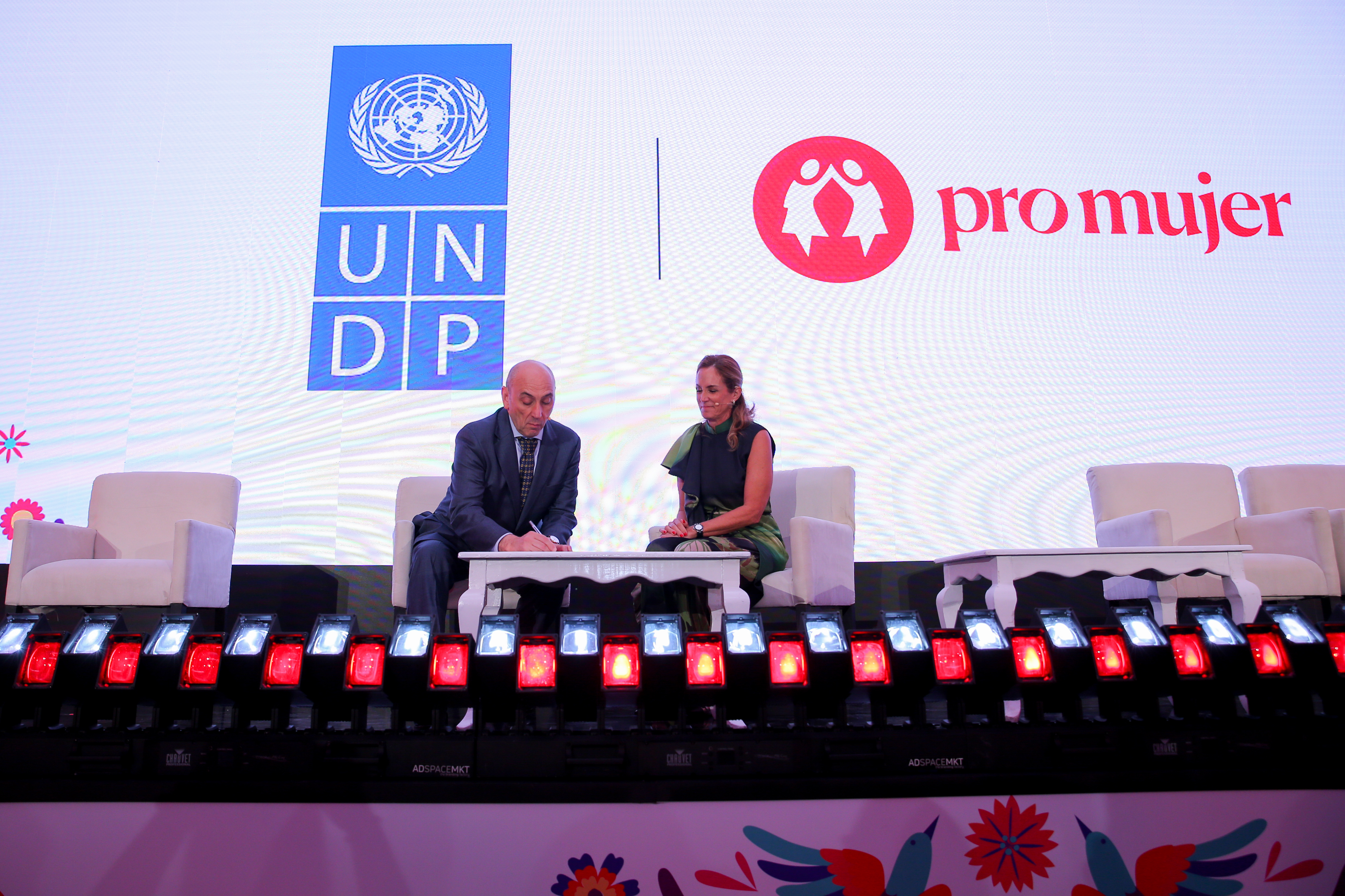
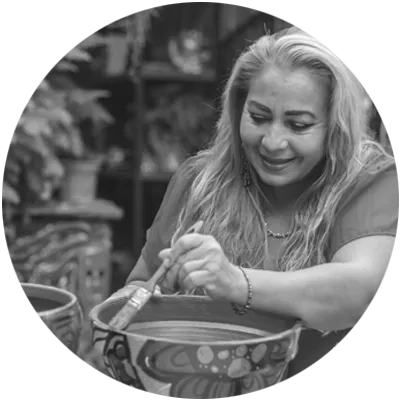
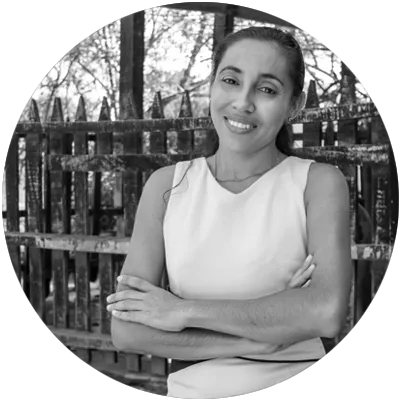
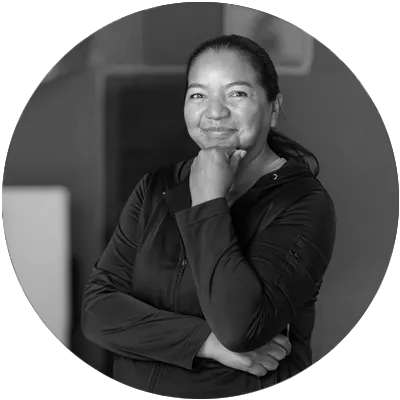
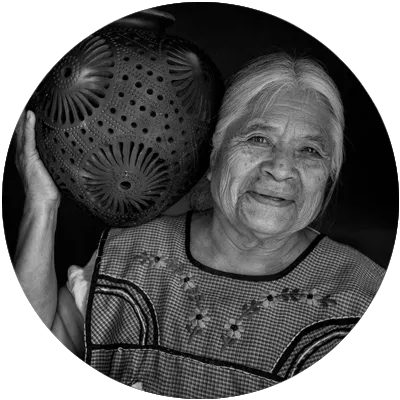
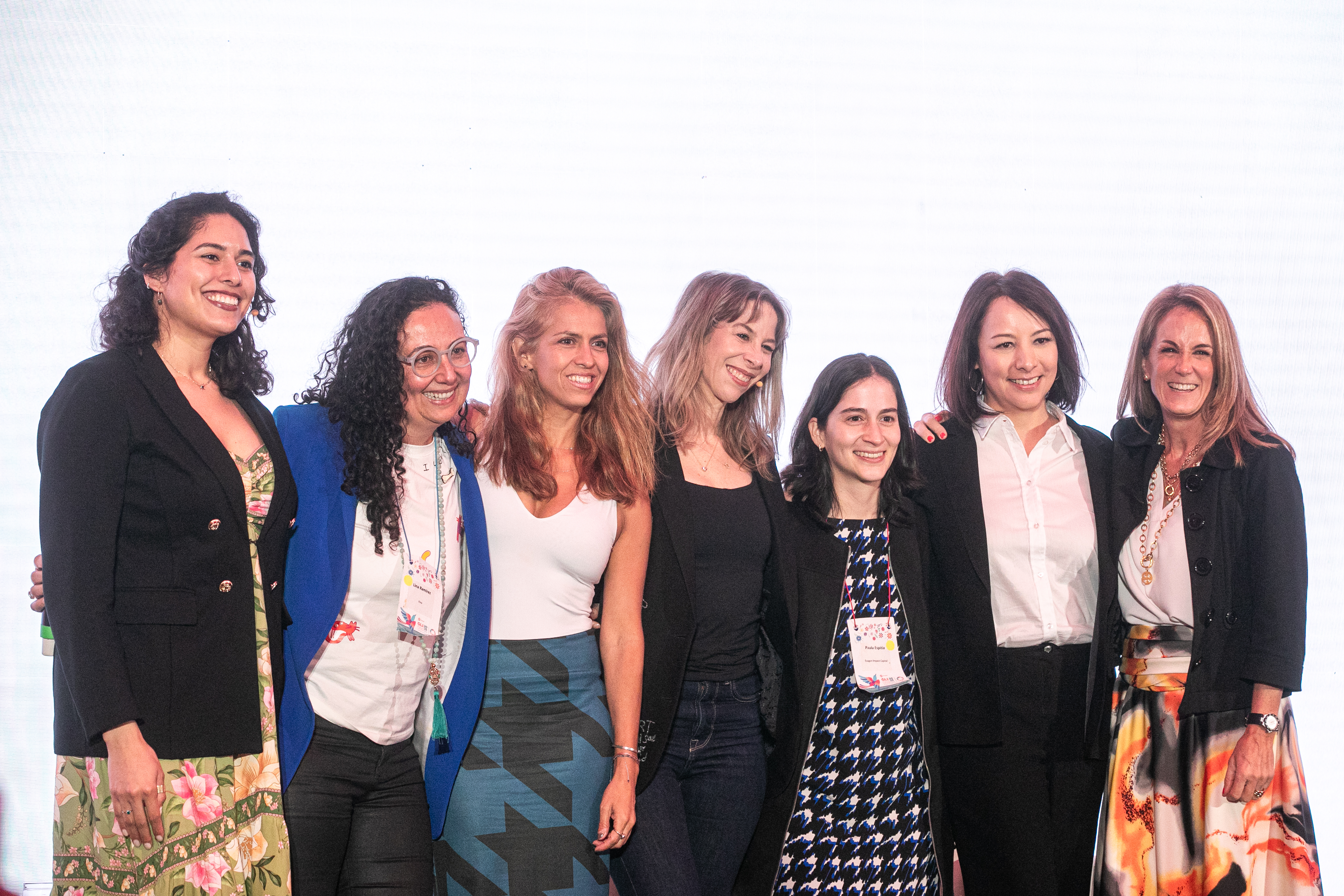
At the GLI Forum Latam 2025, remarkable women leaders shared stories of overcoming significant challenges and implementing effective strategies as they have navigated their careers. They all agreed that gender diversity is not only an ethical imperative but also a significant factor in driving both innovation and business success. Their stories serve as inspiration for the next generations of female leaders, encouraging them to move forward with courage and dedication and reaffirming that inclusive leadership is the future.
Women in Government: Gender Parity in Politics
As María Noel Vaeza, Regional Director for the Americas and the Caribbean for UN Women, noted, “The two fundamental issues are political will and budget. Without these pillars, commitments to equality will remain unfulfilled promises.” It is critical to ask: Who is making decisions about equality and women’s rights? The answer is clear and concerning: Women continue to be underrepresented in government globally.
Women’s full and equal participation in politics is not only a fundamental human rights issue, but a prerequisite for achieving the Sustainable Development Goals by 2030. However, the data shows that we are still far from achieving parity:
- Only 87 countries have ever been led by a woman (UN Women).
- Globally, women hold just 23% of ministerial positions, 27% of parliamentary seats, and 37% of positions in local legislative bodies (UN Women).
These numbers indicate a system that does not yet reflect the diversity and equity that must be guaranteed by our democracies. While some countries have shown advancements in political parity, many others have experienced a standstill or even a decline in this area.
As Vaeza highlighted, “We need more political will, unfortunately, from men, because they are the ones who hold power today. This is why it is key to keep speaking up, not only in politics, but across all sectors.”
Structural and interconnected obstacles have kept women underrepresented in politics. Breaking the glass ceiling and ensuring women’s effective participation requires systemic changes. When women hold positions of power, they advocate for more inclusive laws, prioritize social policies, and broaden the understanding of what truly matters in people’s lives. Their presence in political positions not only enriches but also strengthens democracy.
Women in Leadership: The Multiplier Effect
Advancing women’s political participation is crucial for achieving gender equality; however, efforts must also be made to address the pervasive gender inequalities present in the corporate, business, and social sectors. In Latin America, women hold only 14% of management positions (Deloitte), a statistic that highlights the persistence of the glass ceiling—the invisible barriers that hinder women’s advancement into leadership and decision-making positions, despite their qualifications and experience.
“Women who aspire to leadership still face situations that limit their aspirations, even with the progress made to date,” said María Elena Gallego, CEO of Collection International Group. “These difficulties are not only the result of structural barriers, but also cultural and economic factors that continue to limit their growth. The persistent stereotypes about women’s leadership create a double burden, requiring them not only to lead but also to repeatedly demonstrate their competence. This constant pressure to prove themselves highlights the deep-seated biases that still exist.”
As Mariuz Calvet, director of sustainability at Santander Mexico, added, “Involving men is crucial for fostering cultural change within companies. Today, most leadership positions are held by men, and unconscious biases can significantly influence decision-making, including promotions. This bias can lead to overlooking qualified individuals, particularly women, due to entrenched stereotypes. Promoting new masculinities and transforming harmful cultural patterns is crucial for achieving gender equity within organizations.”
In order to move from ideas to action, is critical to mainstream a gender lens in organizations. Initiatives such as Pro Mujer’s Gender Knowledge Lab provide technical assistance to public and private companies and organizations to mainstream a gender perspective into their operations and create structures and systems that not only attract women but also create a supportive environment necessary for them to succeed, grow, and lead.
The data is compelling:
- An ILO study showed that companies with higher levels of gender diversity and an inclusive organizational culture report higher levels of profitability and productivity.
- Diverse teams make better decisions 87% of the time, get 60% more positive results, and generate 19% more revenue.
- According to McKinsey, research in Latin America indicates that employees stay at companies prioritizing diversity and inclusion for 12% longer than those in organizations that do not prioritize these initiatives.
This demonstrates that prioritizing inclusion is not only the right thing to do, but also makes good business sense.
Leadership is a journey, not a destination. True leadership is not just about holding a position of power, but also about actively creating and maintaining a supportive environment that allows other women to thrive and advance in their careers. As Vanessa Dager, Chair of the Board of Directors of Pro Mujer, shared, “In order for more women to reach positions of power, we must first understand that it is not just about opening the door, but holding it open for others as well. From my experience, getting there requires character, but staying requires daily commitment.”
Women leaders often struggle to balance their personal and professional lives. Women’s leadership isn’t just a mirror of traditional male-dominated models. Instead, it emphasizes a leadership style that is distinct, collaborative, and focused on collective goals.
Erika Vargas, Director of Community Relations for Latin America at the UPS Foundation, summarized it this way: “All my life I’ve seized hold of inequality.” This attitude of seizing, challenging the status quo, and taking what has historically been denied establishes a new way of exercising power: one that includes, transforms, and inspires.
As Argelia Londoño, Deputy Executive Director of the Fondo Mujer Libre y Productiva de Colombia, shared: “A woman never grows alone. When you take control of your life, it has a multiplier effect.”
Simply creating leadership opportunities for women is insufficient if systemic barriers, particularly in the care sector, are not addressed.
UN Women reports that women globally perform 2.5 times more unpaid care work than men. Women care for children, the elderly, and people with disabilities, often invisibly and without economic or social support or recognition.
The absence of policies and initiatives promoting shared responsibility for caregiving disproportionately impacts women, reinforcing existing gender inequalities.
María Elena Gallego emphasized that societal expectations often place a disproportionate burden on women to manage work and family responsibilities, which can deter them from pursuing leadership positions.
Any discussion about gender equality must include a focus on care work. Comprehensive public, private, community, and territorial care systems are essential for addressing complex health and well-being challenges. It is essential to professionalize and fairly compensate caregivers, create quality job opportunities, and implement policies to recognize the economic value of care work.
According to UN Women and ECLAC, Latin America is projected to need approximately 30 million additional caregivers in the coming decades. The care economy should not only address the increasing demand for care but also catalyze social change, drive inclusivity, and promote progress and social justice.
Gender mainstreaming, women’s transformative leadership, and impact investing are not just ethical imperatives; they are essential to achieving the Sustainable Development Goals and building a more resilient, inclusive, and sustainable future. When women lead with a clear sense of purpose, they not only achieve personal success but also pave the way for others, foster positive change, and expand possibilities for future generations.
In the words of UN Secretary General António Guterres: “When women and girls can rise, we all thrive.” This premise has guided Pro Mujer’s work for more than 35 years. Faced with setbacks to gender equality and backsliding around the world, it is time to strengthen existing efforts, forge new partnerships, and actively work towards achieving equality for all.