With just five years remaining to meet the goals of the 2030 Agenda for Sustainable Development, progress is uneven, and in many areas, dangerously off track. Gender equality is critical to the success of 74% of the SDGs. However, progress has been slow. Insisting on urgency is not enough. We need a new narrative that stops asking what it costs to achieve equality and starts seriously asking what it costs not to have it.
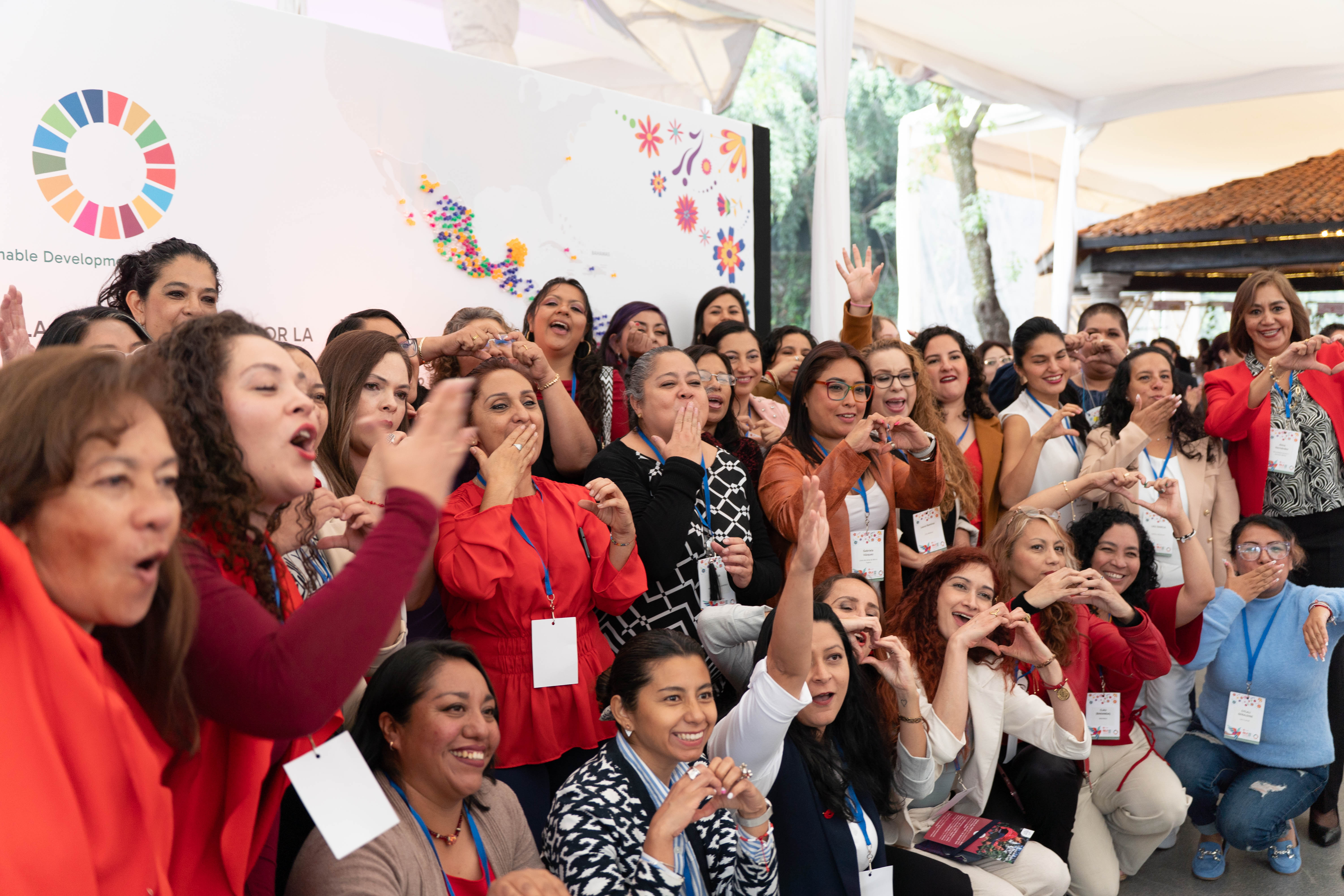
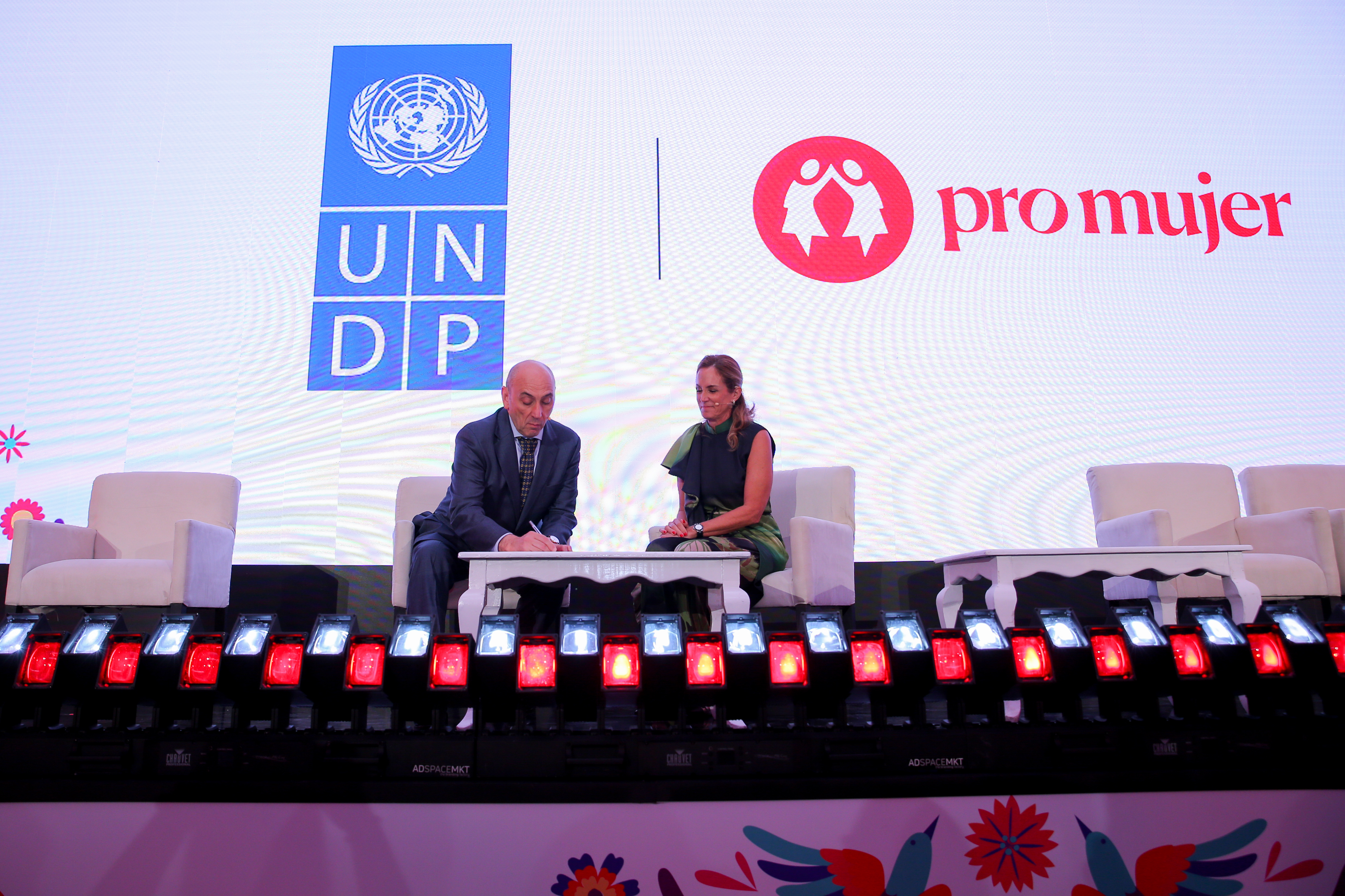
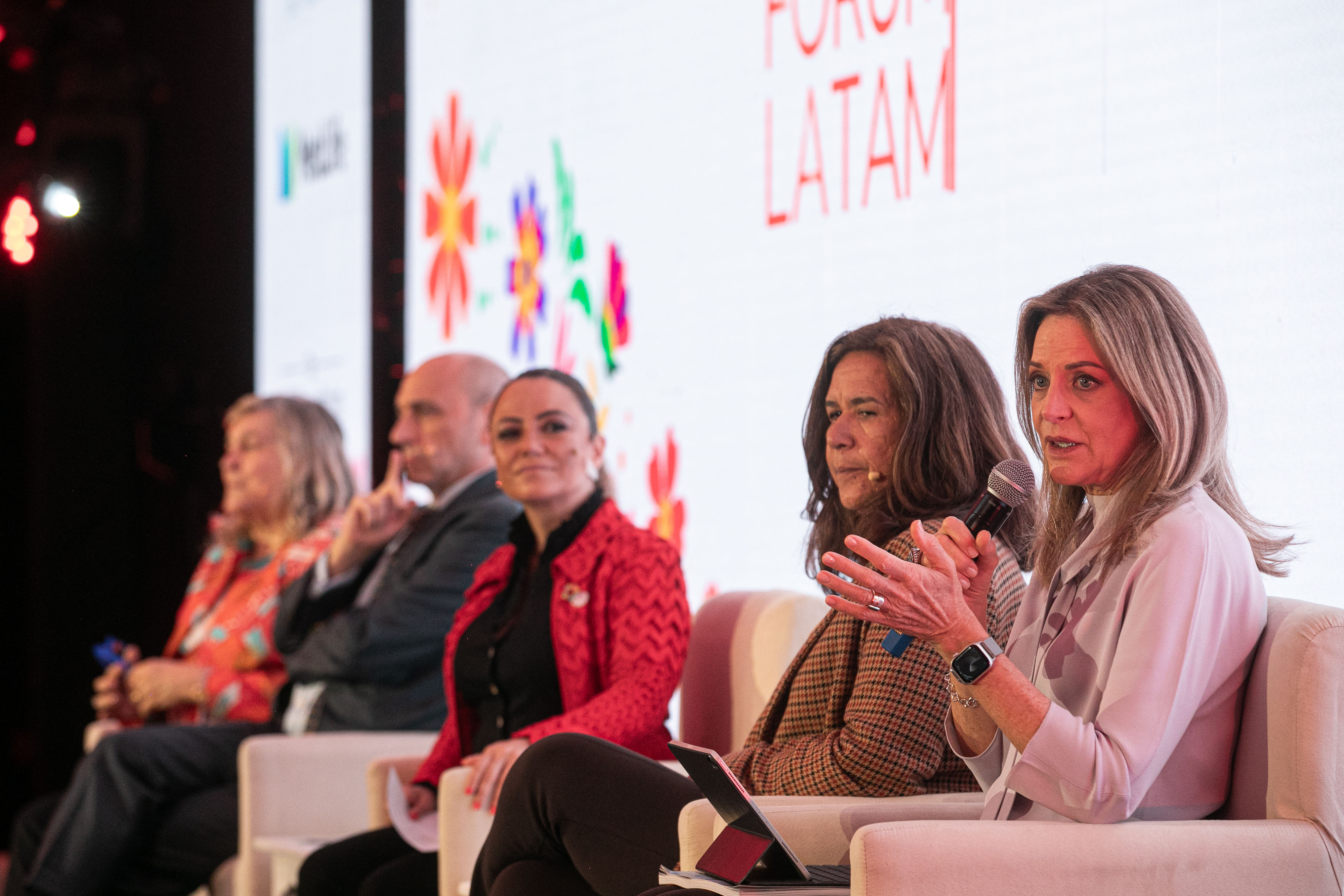
This was the jumping-off point for the plenary session of the GLI Forum Latam 2025: “Accelerating the SDGs: Investing in Women as a Key Development Strategy.” The session featured leaders from the United Nations system, including representatives from UN Women, UNDP, FAO, and UNFPA, who emphasized that gender equality is essential for achieving sustainable development.
María Noel Vaeza, Regional Director for the Americas and the Caribbean at UN Women, highlighted two persistent systemic issues: a lack of political will to create structural change and persistent budget shortages that hinder efforts to close gender gaps. As a result, care systems remain ignored, women’s leadership is excluded from strategic sectors, and gender equality falls behind other priorities.
Vaeza noted that unpaid domestic and care work contributes up to 25% of GDP in countries such as Mexico. However, this significant contribution is often overlooked when assessing a nation’s economic output: “The country stands on the shoulders of women, for free,” she denounced.
Lorenzo Jiménez de Luis, UNDP Representative for Mexico, noted that countries with high levels of social inclusion also exhibit greater progress in sustainability. “Instead of asking what it costs to achieve equality,” he said, “we should be asking what it costs not to have it.” Inequality isn’t just an economic issue, but also a societal one. High levels of inequality can undermine the social cohesion and legitimacy of a society, making sustainable development impossible.
Jiménez de Luis also emphasized the importance of transitioning from political will to political action, highlighting cross-sector collaborations that support long-term policies with a tangible impact. “Sustainability must include 100% of the population,” he said. “Anything else is a sham.”
Lina Pohl, FAO Representative in Mexico, added that simply correcting policies is not enough; we must dismantle a system that, for decades, has been designed around exclusion. “For years [the system] was built on a model that left out women, Indigenous peoples, [people] in the south of the country,” she said. “We got used to that exclusion as if it were normal.” She acknowledged that some sectors have started to take action, e.g., efforts to formalize women involved in agricultural work, but warned that true transformation requires creating a new institutional culture—a culture of inclusion —where access to land, credit, connectivity, and value chains is not limited to the few.
The message is clear: continuing to systematically exclude women—in budgets, in policies, in data—is not only a failure of justice, but also of impact. The societies that have made significant strides in sustainability have committed fully to women’s involvement and equality, committing real resources.
Change is not optional. It is the only viable path to a just, sustainable, and truly inclusive future.