











According to the World Economic Forum, the latest projections indicate that it will take more than 120 years to achieve global gender equality. The data show that this enormous disparity is not only the result of dominant cultural norms but also a direct consequence of decades of underfunding. Inequality persists not because of a lack of talent or potential, but because of insufficient investment and focused efforts to address its root causes.
Gender lens investing (GLI) is not symbolic; it is one of the smartest, most effective strategies to address gender inequality. GLI moves away from viewing women primarily through a welfare lens, instead emphasizing their potential as economic actors. Specifically, it recognizes women as creators of value, drivers of innovation, and essential players in promoting sustainable development in the region.
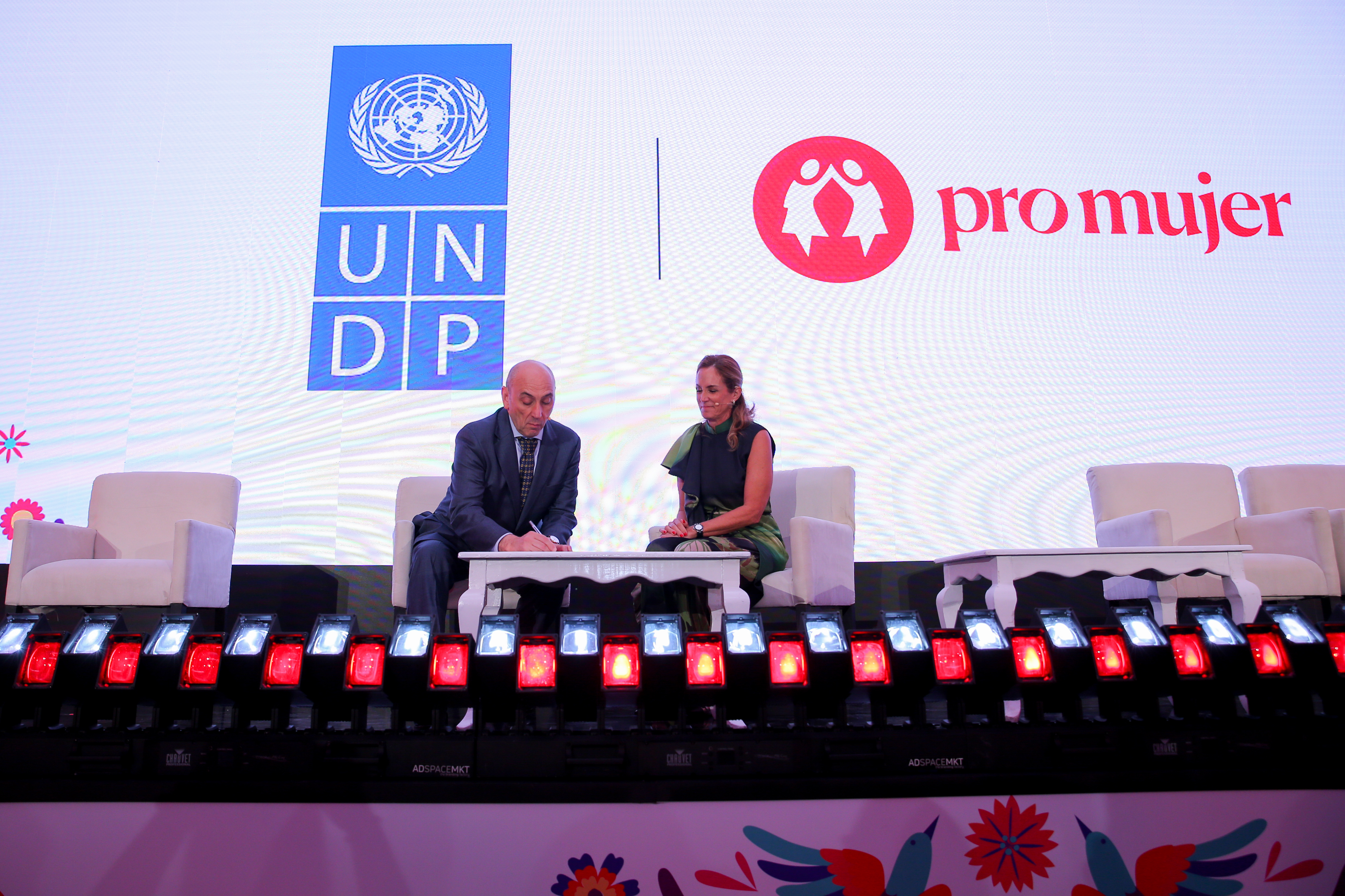
At the GLI Forum Latam 2025, leaders from the financial, public, and civil society sectors agreed on a core truth: achieving genuine equality requires sustained and substantial financial commitments. “Capital, when deployed with intent, can be a powerful driver of equality,” summarized Mark Garay, member of the Board of Directors of Pro Mujer.
Current Challenges: Biases, Exclusion, and Inequality
While women’s participation in the economy has increased, entrenched and persistent barriers to accessing capital continue to be a significant challenge for women entrepreneurs. From cultural biases that influence financial risk-taking to the scarcity of financial products designed for diverse customer profiles, the system continues to operate under a logic that has historically excluded women.
Carolina Lobo Guerrero, CFO of Viwala, argued that women are held to more demanding standards when accessing financing—to be considered bankable, they are not only expected to demonstrate the viability of their business model but also their ability to generate social impact.
Along the same lines, Georgina Vázquez, of Total Impact Capital, warned that deep-rooted prejudices persist in project evaluation, noting that in many cases, women entrepreneurs are still perceived as limited by their families, or their dedication is questioned, and their businesses are considered little more than a hobby.
These perceptions are not only unfair: they are false. As Denise Macías, of BancoSol, noted: “Women have good payment histories, low delinquency rates, and are loyal.” Carolina Lobo, CFO of Viwala, agreed: “Women are 90% more likely to pay their debt.”
In addition to biases, the core design of the financial system is grounded in structural barriers. Many financial products and services are designed with large institutions or funds in mind, neglecting the needs of individuals who could greatly benefit from access to similar resources and opportunities. As Jacqueline Ovens of Equality Fund warns, this limits scalability and real access to financing.
Herlyn Hurtado, of Alpha Impact 8 Ventures, offered a clear summary: “It’s deeply ingrained that investment is only for big funds and people with specialized financial knowledge.”
True change requires a shift in how we view capital, moving beyond mere adjustments to available products to a fundamental rethinking of how it is used and by whom.
Action Plan: From Commitment to Change
Investing in women is not philanthropy—it’s smart business. A significant overhaul of the financial system is necessary to create real change, including building diverse teams, reviewing organizational structures, and adopting clear indicators to reduce gender gaps.
Ana Raptis, founder of Amplifica Capital, summed it up clearly: “At Amplifica Capital, we are committed to investing in companies where women are also owners. This not only generates better financial results but also greater social impact. We need more women as partners, decision-makers, and as asset managers. This is the only way to achieve a more prosperous economy for all.”
Daniela Konietzko, president of Fundación WWB Colombia, called for a profound transformation: “It’s not just about financial capital, but about changing the way we perceive capital from a cultural perspective. It needs to stop being seen as philanthropy and be understood as a smart business opportunity.”
Along the same lines, Ana Raptis emphasized that investing in women is not only ethical but also profitable. It is time to move beyond viewing women solely as beneficiaries and recognize their role as value creators.
Leadership, regulation, and institutional commitment are needed from the public and regulatory sectors. “Investing with a gender perspective is not only an ethical imperative, it is a great business opportunity,” said Gemma Sacristán.
Adolfo Díaz Valdés, CFO of Pro Mujer, emphasized that gender equality is not only a matter of justice, but also a strategic pillar for building a stronger, more inclusive financial system aligned with sustainable development.
Similarly, Galia Borja, Deputy Governor of the Bank of Mexico, made a clear call to move from intention to action: “We need leadership, regulation, and institutional commitment. Collective commitment is the only way to finance the structural change [Latin America] needs.”
Best Practices: Deploying Purpose-Driven Capital
While the challenges are clear, the solutions are as well. Throughout Latin America, financial institutions, investment funds, and civil society organizations are already advocating for concrete changes that demonstrate the benefits of deploying purpose-driven capital, which not only helps close gender gaps but also creates economic value, social impact, and structural transformation.
From designing innovative products to strengthening women’s leadership, these initiatives demonstrate that investing in women isn’t just a bet on a better future; it’s an immediate driver of positive and sustainable change.
- In Bolivia, BancoSol went from having 0% women in senior management to 38% in five years. Today, 42% of its board is made up of women, and 24 KPIs are used to monitor and address internal gender gaps. In 2023, BancoSol launched the country’s first $30 million gender bond, benefiting 4,500 female entrepreneurs.
- In Mexico, 80% of the banks that make up the Mexican Banking Association have gender equality policies in place, and more than 35% of management positions are held by women, according to Lisette Bravo, leader of the Association’s gender equality initiative.
- In Colombia, Fundación WWB has been a pioneer in gender-responsive impact funds since 2013. They have invested more than $5 million across four funds, and they plan to close a fifth investment this year.
- Globally, the Equality Fund has mobilized $100 million over five years, supporting more than 1,000 women’s organizations in 100 countries.
Purpose-driven impact investing creates both economic and social value. As Adolfo Díaz Valdés noted, “Gender equality is a crucial pillar for building a stronger and fairer financial system.”