




The impacts of the climate crisis are not equally distributed across society. Women and girls bear the brunt of its impact, especially those experiencing poverty, inequality, and exclusion. Care work, unequal access to resources, limited participation in decision-making processes, and forced displacement due to environmental disasters limit their options and exacerbate existing inequalities.
Today, 80% of people displaced by climate disasters are women and girls, and they face greater risks of violence, poverty, and exploitation. In the worst-case climate scenario, an additional 13 million women and girls in Latin America and the Caribbean could be pushed into poverty by 2050.
In light of this potential future, the GLI Forum Latam 2025 highlighted an undeniable truth: There is no climate justice without gender justice.
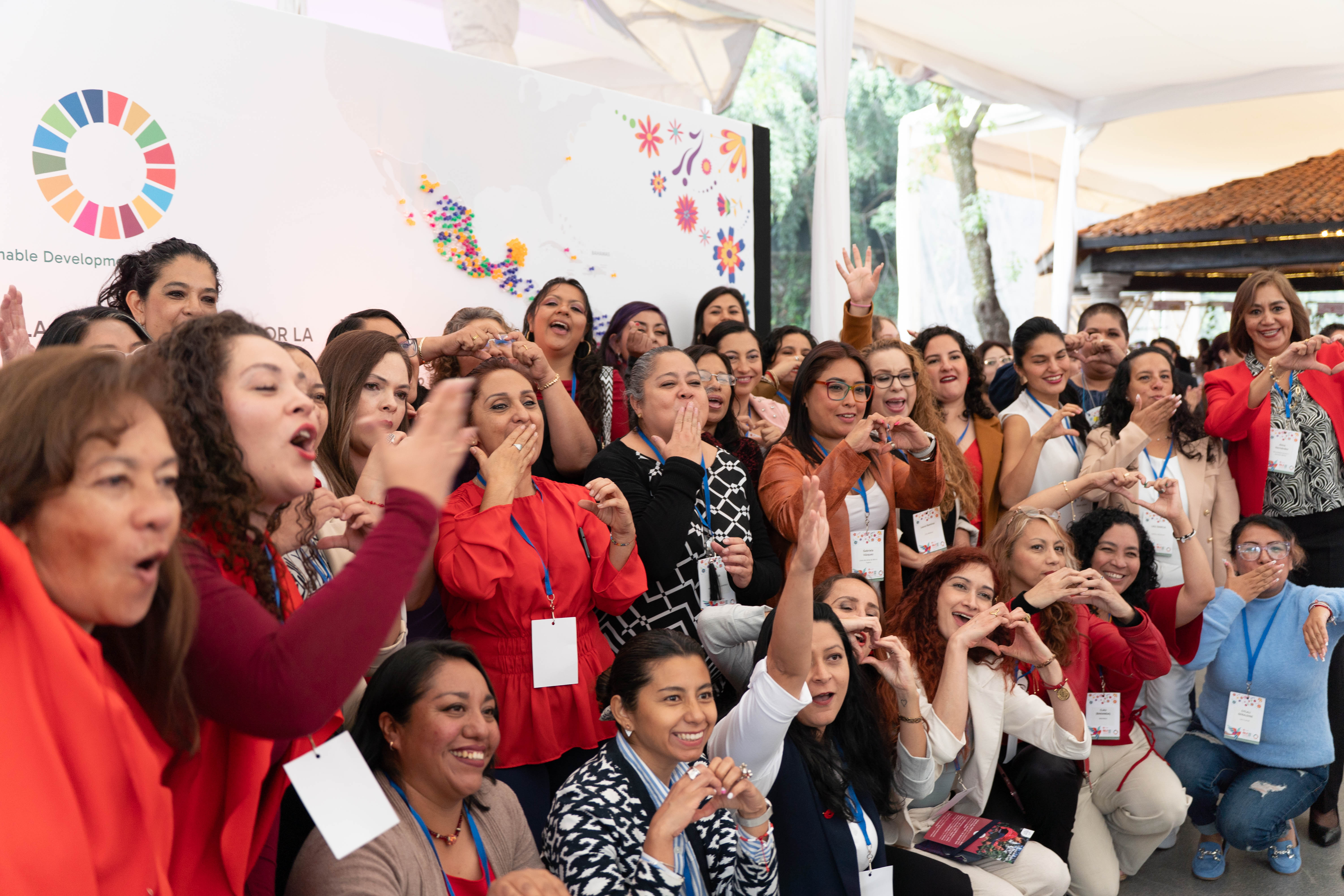
Various sessions held during the Forum focused on how women are at the forefront of initiatives addressing social, economic, and environmental challenges in Latin America and the Caribbean. From implementing regenerative initiatives to establish more sustainable value chains to promoting climate and development finance, women are driving solutions that not only respond to the climate crisis but also imagine a better possible future for all.
Women Leaders Driving Sustainability
As traditional business models face structural, environmental, social, and economic limitations, an increasing number of companies are recognizing the need to adapt and evolve. As part of this evolution, women leaders are spearheading the development of models that prioritize long-term sustainability and profitability.
Women are leading this change from within, not only from sustainability and social responsibility roles, but also from operations, corporate strategy, and decision-making positions. Their approaches tend to prioritize environmental and social impact as a core part of long-term business value, demonstrating that it is possible to grow while remaining connected to people and the planet.
During the GLI Forum, leaders like Gema Sacristán, Sustainability Leader for Deloitte in Latin America, helped demystify sustainability as a fad or a secondary objective. “Sustainability is not a still photo, it’s a feature film,” she said. “It’s a story of transformation. It’s not a 100-meter race, it’s a marathon, although sometimes it seems like an obstacle course.”
Mariuz Calvet, Chief Sustainability Officer of Santander Mexico, highlighted how sustainability becomes a long-term business strategy when it is mainstreamed across all areas of an organization. “Sustainability is shared across all the areas that manage these issues,” she noted. “There are five of us on the core team, but more than 150 people across different areas work on these issues. It’s not a stand-alone area, it’s a network.”
María Taratuty, Director of Institutional Affairs at London Supply Group, provided the perspective of a family business with over 80 years of history, emphasizing that change requires not only will, but also consistency in every decision. “Consistency and humility,” she said. “It’s not just your carbon footprint or the one big indicator. You can’t claim to be sustainable if your packaging isn’t. You also have to take care of the small details.”
As Lorena de Lima, Senior Manager of Social Responsibility at Samsung Mexico, added, “Empowering youth with tools such as technology and education is key. But it must be done ethically and conscientiously. That’s what makes it sustainable.”
Regeneration and Redistribution
In Latin America and the Caribbean, nearly half of the rural population consists of women. Many of these women are involved in farming, livestock, and care work and face enormous inequalities: only 31% own the land they work, and access to credit, technology, and new markets remains limited.
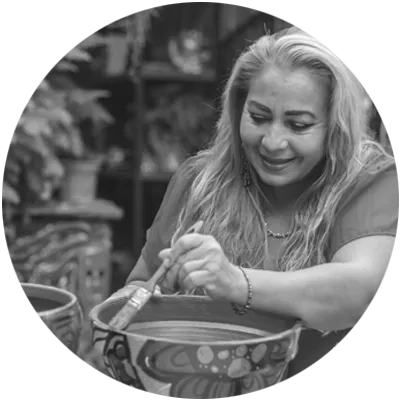
These barriers trap women in low-value roles within production chains, hindering their economic inclusion. To address this, women are leading agroecological initiatives, creating circular ventures, establishing direct-to-consumer networks, and implementing social economy models that reconfigure power structures and generate environmental and community impact.
The GLI Forum provided a platform for some of these women, including mezcal producers, agricultural unions, and business leaders committed to regeneration and redistribution. Their experiences show that when a gender lens is applied from production to consumption, value chains can become drivers of economic inclusion, climate resilience, and sustainability.
Investing in women’s entrepreneurial potential not only encourages economic independence but also strengthens local economies, protects ecosystems, and recognizes the value of care work and generational knowledge.
The Urgency of Building Climate and Social Resilience
The experiences shared during the GLI Forum show that concrete ways to align financial objectives with environmental and social goals already exist. The challenge is to build business structures that not only recognize this type of leadership but also encourage and multiply it.
Building climate and social resilience isn’t dependent on a single strategy, sector, or territory. Solutions must be comprehensive, multisectoral, and gender-responsive. From the countryside to the cities, women are already driving concrete change. However, identifying these structural gaps is not enough. It’s time to act. For these solutions to be effective, it is crucial to begin with those who are already making an impact.