

Addressing economic and employment inequality is one of the great challenges to building a sustainable, equitable, and people-centred economy. Despite regulatory and social progress, the figures are still alarming: women’s labor force participation in Latin America is 30% less than men‘s (UN), and approximately 54% of employed women work in the informal economy (ILO) without full access to labor rights, social security, or decent retirement opportunities.
Economic and employment inequality is also present in the corporate sector. Less than 14% of management positions in the region are held by women (Deloitte), and on average, only 62% of business decisions are made with direct participation of diverse teams (Cloverpop). Although companies with diverse leadership are 39% more likely to outperform financially (McKinsey), this potential is not yet reflected in the organizational structure of many organizations.
Gender inequality in the workplace is not an isolated phenomenon, but a consequence of intersecting structural conditions, from the lack of quality jobs to the unequal distribution of care work. In Latin America, women spend between 22% and 42% more time on unpaid care work than men (ECLAC). This disparity has substantial consequences, reducing women’s availability for formal employment, hindering their professional advancement, and perpetuating economic inequality.
In light of this reality, there is an urgent need to mainstream a gender perspective in the economic and business ecosystem. Gender must be integrated into all processes, structures, and decisions, rather than treated as a disparate issue. According to McKinsey, 77% of consumers are motivated to purchase from companies committed to making the world a better place. Equality not only generates internal benefits, but also enhances a company’s reputation and financial performance.
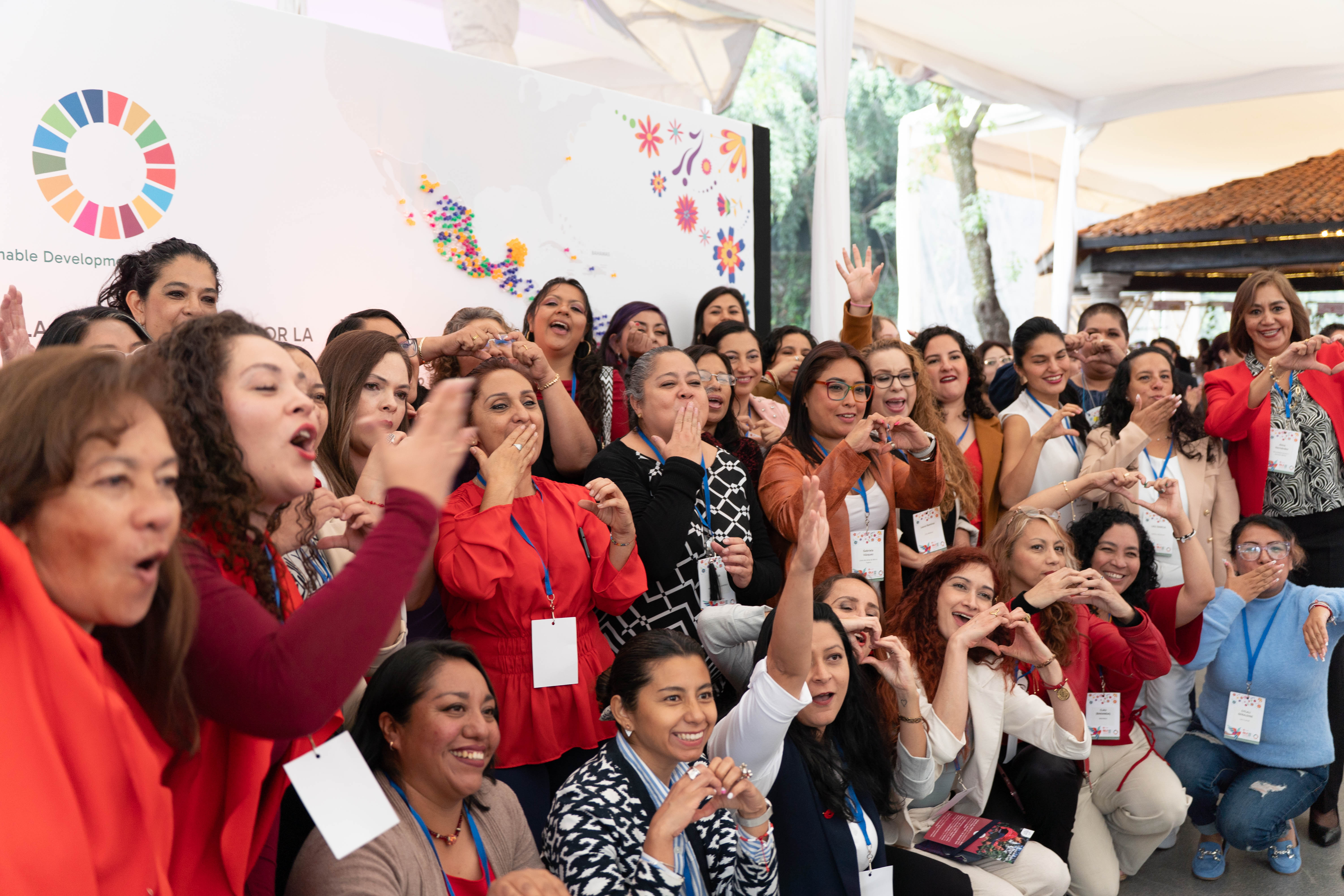
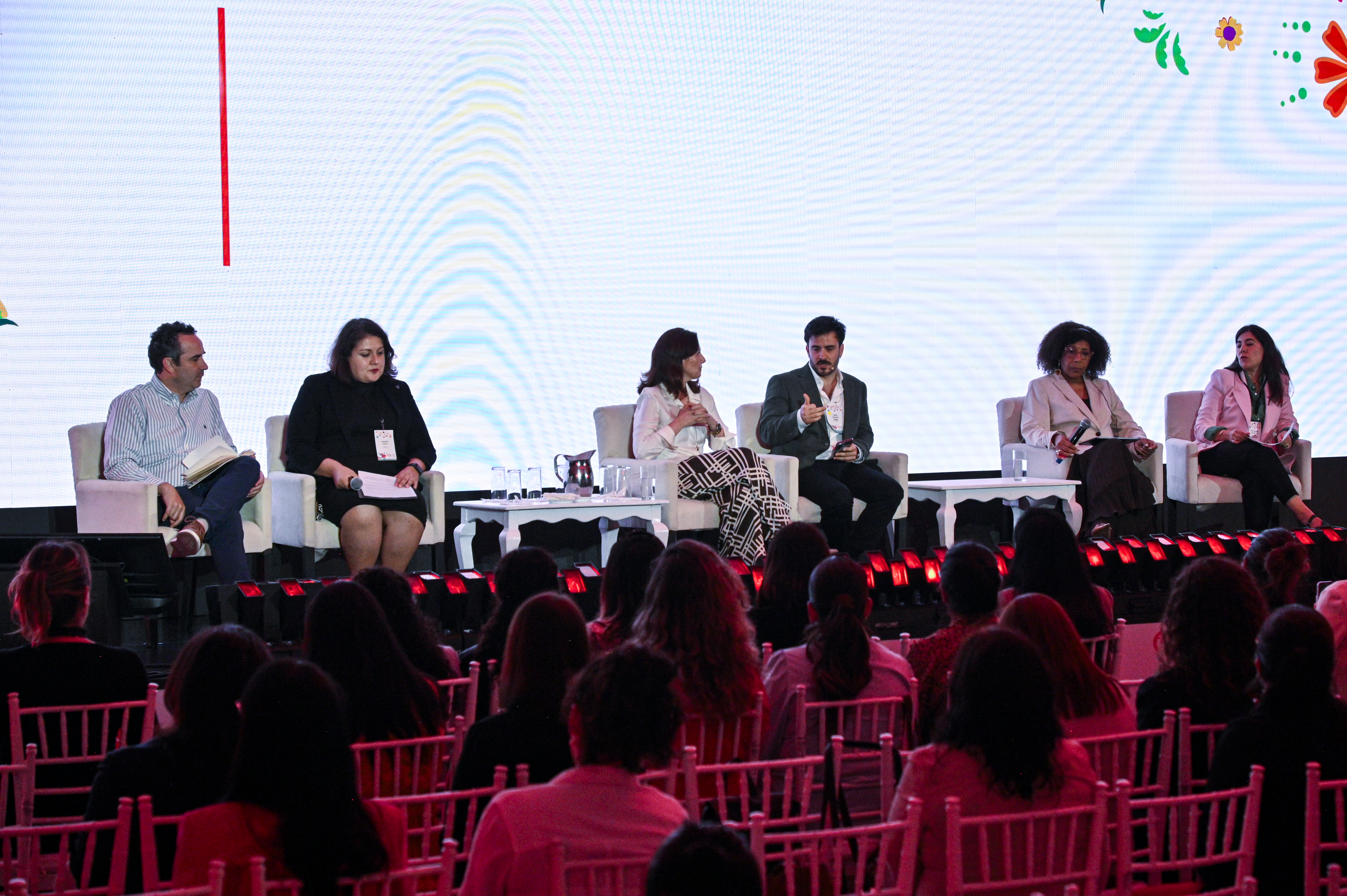
During the GLI Forum Latam 2025, expert voices stressed that real change begins from within. Commitments to equality must move beyond mere rhetoric and be translated into actionable policies, organizational structures, and concrete policies. As Martha Barroso, Director of Human Capital and Culture at ManpowerGroup LATAM, pointed out, “The head of the company must be convinced of the importance of creating a diverse and inclusive organization. If leaders aren’t convinced, and [we] try to force it, it won’t work.”
“A lot of this starts with really understanding who your customer is, and we’re a very women-focused company,” added Donna Dozier, Head of Inclusion & Diversity for the Americas at H&M. “To ensure relevance in the market, we need people in the organization that mirror our target customer base.”
Structural barriers aren’t always visible, but they have profound impacts. Geraldina González de la Vega, President of the Council to Prevent and Eliminate Discrimination in Mexico City (COPRED), warned that pregnancy-related discrimination in the private sector remains a significant issue. While not always manifesting as direct dismissals, it can occur in various forms, including harassment and poor treatment that pushes women to resign.
To improve women’s participation in the workforce, it’s crucial to address systemic issues that go beyond individual companies and focus on broader societal conditions. This includes implementing policies that support women’s entry and retention in the labor market, such as redistributing care responsibilities through comprehensive care systems, professionalizing the care sector, and making its economic contribution visible. As Alexandra Haas, Executive Director of Oxfam Mexico, noted, “We’ve focused a lot on the individual, but collective struggles are what work.”
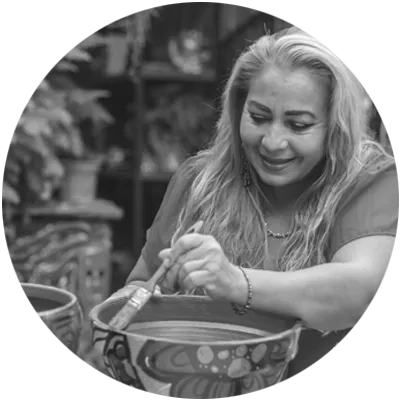
It is also crucial to recognize entrepreneurship as a powerful tool for advancing women’s economic inclusion, particularly for those who are excluded from traditional employment. Data indicates that a significant proportion of women entrepreneurs in Latin America are driven by necessity, with 82% starting businesses due to the lack of suitable job opportunities (GEM). Providing gender-sensitive financing, technical training, and support networks is vital for energizing local economies, reducing informality, and fostering genuine economic autonomy.
It is also important to consider new opportunities. For example, the Silver Economy highlights older individuals, especially women, as vital economic contributors, recognizing their spending power and involvement in various economic activities. In a region where it’s projected that one in four people will be over the age of 60 by 2050 (ECLAC), there’s a crucial need for market solutions and public policies that actively promote full and dignified participation throughout life, ensuring everyone has the opportunity to contribute and thrive.
The message at the GLI Forum Latam 2025 was clear: closing the structural gaps that affect women is a core pillar of sustainable regional development. Promoting inclusive organizational cultures, redistributing care work, ensuring decent jobs, and supporting entrepreneurship are not siloed initiatives, but interconnected steps toward building a more just, resilient, and egalitarian economy.